
Airbnb Occupancy Rate in Skye, United Kingdom, Data & Trends 2026
Curious about the performance of short-term rentals in Skye, United Kingdom? Over the last year, the average occupancy rate was 61% with an average nightly price (ADR) of 187€. Hosts earned on average 3049€ per month.

📩 Send me this report and get it in my inbox every month
90-day occupancy forecast for Skye so you can update rates and stay ahead of competitors.
Market summary in Skye
Key metrics to optimize your pricing strategy
Avg. monthly earnings
3049€
$2775 USD
YoY Revenue Change
4%
vs. previous year
Occupancy Rate
61%
~18 days/month
Average Daily Rate
187€
$170 USD
Seasonality Index
113%
demand variation
Best Months
August, July
peak season
Worst Months
January, February
low season
Revenue Management in Skye
Our AI-powered platform automatically optimizes your rates. Maximize your revenue with intelligent dynamic pricing.
What Skye's occupancy and nightly prices actually mean
Over the analysis period, Skye ran 61% average occupancy across roughly 221 booked nights a year, a strong nine points above the United Kingdom's 52% national average and one of the higher occupancies among the six UK markets ListingOK tracks. Its 180 euro average daily rate and 2,912 euro average monthly revenue per listing describe a solid mid-to-upper market, with the high booked-night count showing how broadly the long season fills.
The revenue figure is flat at 0% year on year, signalling a mature, stable market holding its level rather than growing or contracting, and the 101% seasonality index confirms the demand is spread across a long spring-to-autumn season rather than concentrated in a brief peak. Read together, the numbers point to a dependable, scenery-led market: above-average occupancy and a healthy 221-night base make Skye one of the steadier rural propositions, with the regulatory environment, not demand, as the main variable to watch.
Monthly Airbnb occupancy in Skye
Average occupancy rate by month in Skye, compared with the same month a year earlier.
| Month | Occupancy | Prior year |
|---|---|---|
| Oct 2025 | 56.9% | 59.7% |
| Nov 2025 | 40.8% | 44.1% |
| Dec 2025 | 46.5% | 49.5% |
| Jan 2026 | 39.2% | 42.2% |
| Feb 2026 | 50.7% | 53.1% |
| Mar 2026 | 54.2% | 57.6% |
| Apr 2026 | 65.8% | 71.4% |
| May 2026 | 78.3% | 79.2% |
| Jun 2026 | 71.8% | 76.1% |
| Jul 2026 | 82.9% | 84.3% |
| Aug 2026 | 81.5% | 83.3% |
Historical Airbnb occupancy in Skye (last 12 months)
📌 Historical trends reveal seasonal highs – plan accordingly.
Airbnb occupancy forecast in Skye (next 90 days)
These figures reflect real-time demand in Skye, helping you plan and price strategically.
Why people book Airbnbs in Skye
The Isle of Skye is the largest of the Inner Hebrides and one of Scotland's most photographed landscapes, and its short-term rental demand is driven almost entirely by touring leisure travel. Visitors come for the jagged Cuillin mountains, the Old Man of Storr and the Quiraing on the Trotternish ridge, the Fairy Pools at Glenbrittle, Neist Point lighthouse and Dunvegan Castle, plus the food-and-whisky draw of the Talisker distillery. Most guests are road-trippers exploring the North Coast 500 and the wider Highlands, frequently on multi-night touring stays rather than single-destination breaks.
The island's appeal is its scenery and its remoteness, which means demand is weather- and daylight-driven and concentrated in the lighter half of the year. Self-catering cottages are the natural product here, fitting walkers, photographers and families who want a base near the trailheads. With a small, dispersed accommodation stock and limited hotel capacity, well-located short-term rentals capture a meaningful share of a steady, scenery-led visitor flow.
When Airbnb demand peaks in Skye
Skye is a spring-to-autumn market, with a moderate seasonality index of 101% that reflects a long, broad season rather than a single sharp spike. The strongest months are August and May, but the wider pattern is what matters: occupancy holds in the high-70s to mid-80s percent from roughly April through September, peaking in July and August in the low-to-mid 80s and staying firm into the golden-light shoulder of September. May is notably strong, lifted by long daylight and pre-peak touring.
The weakest months are January and November, the dark, wet heart of the Highland winter, when occupancy slips into the high-30s and low-40s percent and short daylight deters the touring traffic the island depends on. The takeaway is a genuinely long earning window, six months or more of strong demand, bookended by a soft winter. Operators should price up across the April-to-September stretch and accept a quieter, low-base winter rather than a complete shutdown.
Best neighbourhoods for short-term rentals in Skye
Portree, the island's main town, is the highest-converting base: its harbour, restaurants and services make it the natural hub, and central, walkable units there command the strongest, most consistent demand. Dunvegan in the northwest trades on the castle and as a touring base for Neist Point, while the Trotternish villages such as Staffin and Uig put guests close to the Quiraing, the Old Man of Storr and the Uig ferry to the Outer Hebrides.
In the south, Sligachan and the Glenbrittle area are prime bases for Cuillin walkers and the Fairy Pools, drawing outdoors-focused guests, while Broadford on the main road in acts as a convenient gateway near the Skye Bridge. Across the island, proximity to the headline trailheads and viewpoints, parking and the practicalities of remote-area self-catering matter more than any single village name.
Short-term rental rules in Skye
Scotland operates a mandatory short-term let licensing scheme under the Licensing of Short-term Lets (Scotland) Order 2022, and operating without a licence is a criminal offence. On Skye this is administered by The Highland Council: every short-term let, whether home-sharing, secondary letting or a self-catering unit, must hold a licence that confirms safety standards such as gas, electrical and fire checks, and applications are made to the council.
A second, separate layer is planning. Highland Council already applies a planning control area in Badenoch and Strathspey, and in 2026 it opened consultation on further control areas covering rural Highland zones; in any designated control area a secondary let also needs planning permission for change of use, on top of the licence. Given that Skye and Lochalsh have seen a high share of housing convert to short-term lets, an operator should confirm both the current licensing requirements and any planning-control-area status directly with The Highland Council before listing.
Tools & strategies for Skye
Revenue Management in Skye
We help you increase revenue in Skye with pricing algorithms and active monitoring.
Learn moreDynamic Pricing in Skye
Our engine auto-adjusts prices based on demand and local events in Skye.
Learn moreChannel Manager in Skye
Manage listings on Airbnb, Booking.com and Vrbo in one place across Skye.
Learn moreCheck your Airbnb in United Kingdom
And around the world
Other cities in United Kingdom
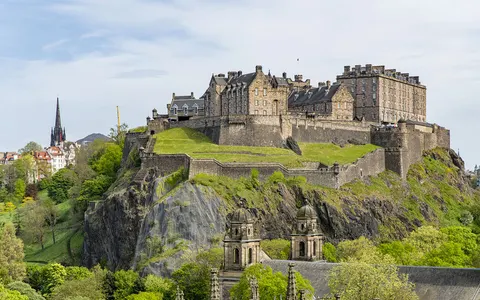
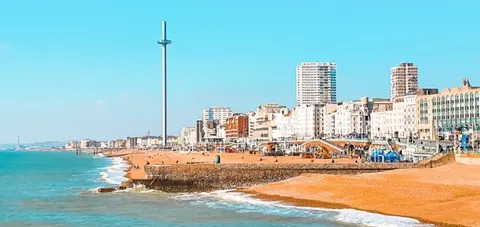
Compare performance across markets – occupancy, nightly prices and seasonality for other destinations in United Kingdom.
Calculate your earnings potential in Skye
Discover how much more you could earn by optimizing your listings with ListingOK
Your listings
How do we achieve these results?
AI Dynamic Pricing
Occupancy Optimization
Market Analysis
24/7 Expert Support
In line with our best results!
Get your full report
Detailed analysis and personalized recommendations
* Calculations based on 30 days/month. Actual results may vary depending on market, season, property type, and implemented strategy.
Suggest a new city in United Kingdom
Frequently asked questions about Airbnb occupancy in Skye
Skye averaged about 61% occupancy over the analysis period, roughly 221 booked nights a year. That is nine points above the United Kingdom's 52% national average and one of the higher figures among the six UK markets ListingOK tracks, reflecting a long, scenery-led spring-to-autumn season rather than a short summer-only peak.
August and May are the strongest months, but the wider April-to-September stretch holds in the high-70s to mid-80s percent, peaking in July and August. January and November are the weakest, slipping into the high-30s as short Highland daylight deters touring. It is a long earning window, so price up across spring to autumn and accept a quiet winter.
Yes. Scotland requires a mandatory short-term let licence under the 2022 scheme, administered on Skye by The Highland Council, and operating without one is a criminal offence. In any designated planning control area a secondary let also needs change-of-use planning permission. Confirm both the licence and any control-area status with The Highland Council before listing.
Portree, the main town, converts best as the island's hub for services and dining. Dunvegan suits Neist Point touring, the Trotternish villages of Staffin and Uig sit near the Quiraing and Old Man of Storr, and Sligachan and Glenbrittle are prime for Cuillin walkers and the Fairy Pools, with Broadford a convenient gateway. Proximity to the headline trailheads and parking matter most.