
Airbnb Occupancy Rate in Livigno, Italy, Data & Trends 2026
Curious about the performance of short-term rentals in Livigno, Italy? Over the last year, the average occupancy rate was 52% with an average nightly price (ADR) of 269€. Hosts earned on average 3324€ per month.

📩 Send me this report and get it in my inbox every month
90-day occupancy forecast for Livigno so you can update rates and stay ahead of competitors.
Market summary in Livigno
Key metrics to optimize your pricing strategy
Avg. monthly earnings
3324€
$3025 USD
YoY Revenue Change
13%
vs. previous year
Occupancy Rate
52%
~16 days/month
Average Daily Rate
269€
$245 USD
Seasonality Index
112%
demand variation
Best Months
February, March
peak season
Worst Months
May, September
low season
Revenue Management in Livigno
Our AI-powered platform automatically optimizes your rates. Maximize your revenue with intelligent dynamic pricing.
What Livigno's occupancy and nightly prices actually mean
Livigno posts 52% average occupancy across about 188 booked nights a year, four points under Lombardy and Italy's typical markets relative to the 56% national average, but as with most alpine resorts the rate tells the real story. At 262 euros average daily rate, Livigno is one of the most expensive markets in this set, reflecting premium ski-apartment and chalet stock in a snow-sure, duty-free resort with constrained supply.
That high ADR lifts average monthly revenue to 3,226 euros per listing despite middling occupancy, and revenue is up a healthy 14% year on year, an unusually strong gain likely buoyed by anticipation around the Milano-Cortina 2026 Olympics. The 114% seasonality index confirms a peak-capture market: the winter months and a summer bump carry the year. Read together, Livigno is a high-rate, momentum-positive market where the 2026 Games add a one-off demand layer on top of an already robust winter engine.
Monthly Airbnb occupancy in Livigno
Average occupancy rate by month in Livigno, compared with the same month a year earlier.
| Month | Occupancy | Prior year |
|---|---|---|
| Oct 2025 | 29.8% | 25.2% |
| Nov 2025 | 38.7% | 25.8% |
| Dec 2025 | 76.8% | 83.9% |
| Jan 2026 | 66.6% | 76.9% |
| Feb 2026 | 69.7% | 86.2% |
| Mar 2026 | 56.4% | 65.7% |
| Apr 2026 | 43.4% | 55.1% |
| May 2026 | 22.7% | 24.3% |
| Jun 2026 | 57.2% | 62% |
| Jul 2026 | 67.2% | 69.3% |
| Aug 2026 | 69.8% | 71.3% |
Historical Airbnb occupancy in Livigno (last 12 months)
📌 Historical trends reveal seasonal highs – plan accordingly.
Airbnb occupancy forecast in Livigno (next 90 days)
These figures reflect real-time demand in Livigno, helping you plan and price strategically.
Why people book Airbnbs in Livigno
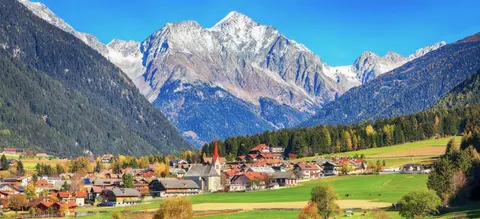
Livigno is a high-altitude resort town in the far north of Lombardy, wedged against the Swiss border at over 1,800 metres, and its short-term rental market runs on two engines: snow and shopping. As an extra-territorial duty-free zone, Livigno draws shoppers as well as skiers, and its extensive lift network, snow-sure altitude and long season make it one of the Italian Alps' most reliable winter destinations. That profile is about to intensify, because Livigno is a confirmed venue for the Milano-Cortina 2026 Winter Olympics, hosting freestyle and snowboard events, which puts the town on a global stage.
In summer the same valley reinvents itself for mountain bikers, road cyclists tackling the high passes, and hikers, giving operators a meaningful second season. With 209 active listings in a town of under 7,000 residents, Livigno behaves like a pure resort economy where apartments and chalets exist primarily for visitors, and where the Olympic spotlight and duty-free draw together support premium rates against strong, repeat winter demand.
When Airbnb demand peaks in Livigno
Livigno is a winter-led double-season market, and its monthly data makes the pattern vivid. The two strongest months are February and March, the heart of the high ski season, with the series showing February occupancy peaking around 86% and a powerful run from December through March. December itself is exceptionally strong, with the series showing peaks near 84%, driven by the Christmas and New Year holidays and reliable early-season snow at altitude.
The weakest months are May and September, the deep shoulder periods between seasons, where the series shows occupancy collapsing toward the low-to-mid 20s as the lifts close and the summer activities have not yet peaked. Summer offers a secondary crest, with July and August occupancy climbing back toward the 70s for the cycling and hiking crowd. The 114% seasonality index captures this clearly: Livigno earns hard in winter, picks up a useful summer bump, and goes quiet in the two shoulder valleys of late spring and early autumn.
Best neighbourhoods for short-term rentals in Livigno
Livigno stretches along a single long valley, so the meaningful distinctions are by zone along its length rather than by separate districts. The central area around Via Plinio and the main pedestrian shopping street is the highest-converting base: it puts guests at the heart of the duty-free shops, restaurants and après-ski, with easy access to the central lifts, and suits visitors who want walkable convenience.
The Carosello 3000 side, on the western slopes, and the Mottolino side, on the eastern slopes toward Trepalle, anchor the two main ski sectors, so listings near either gondola base appeal to skiers wanting ski-in or quick-access positioning. The San Rocco and Santa Maria areas spread along the valley with quieter, more residential stock. For the 2026 Olympics, proximity to the snowpark and competition venues adds a temporary premium, but year-round it is access to the lifts and the central shopping strip that drives bookings.
Short-term rental rules in Livigno
Short-term rentals in Livigno operate under Italy's national framework layered with Lombardy's regional rules. Nationally, every tourist rental must obtain a Codice Identificativo Nazionale (CIN) issued by the Ministry of Tourism, which must appear in every listing and advertisement and be displayed at the property; this sits alongside Lombardy's regional CIR (Codice Identificativo di Riferimento), already required to publish advertisements in the region. Hosts must also handle guest registration with the police (alloggiati) and the regional tourist (soggiorno) tax.
From 20 May 2026 the EU short-term-rental regulation (2024/1028) adds harmonised registration and data-sharing obligations across the bloc, with penalties set nationally. Because Livigno is a high-demand Olympic resort, operators should confirm the current CIN and CIR status, any municipal limits, and tourist-tax rates directly with the Comune di Livigno and the Lombardy registry before letting, and ensure both codes are valid before publishing any listing.
Tools & strategies for Livigno
Revenue Management in Livigno
We help you increase revenue in Livigno with pricing algorithms and active monitoring.
Learn moreDynamic Pricing in Livigno
Our engine auto-adjusts prices based on demand and local events in Livigno.
Learn moreChannel Manager in Livigno
Manage listings on Airbnb, Booking.com and Vrbo in one place across Livigno.
Learn moreCheck your Airbnb in Italy
And around the world
Other cities in Italy
Compare performance across markets – occupancy, nightly prices and seasonality for other destinations in Italy.





Calculate your earnings potential in Livigno
Discover how much more you could earn by optimizing your listings with ListingOK
Your listings
How do we achieve these results?
AI Dynamic Pricing
Occupancy Optimization
Market Analysis
24/7 Expert Support
In line with our best results!
Get your full report
Detailed analysis and personalized recommendations
* Calculations based on 30 days/month. Actual results may vary depending on market, season, property type, and implemented strategy.
Suggest a new city in Italy
Frequently asked questions about Airbnb occupancy in Livigno
Livigno averages about 52% occupancy across roughly 188 booked nights a year, four points below Italy's 56% national average. But a high 262 euro average daily rate lifts monthly revenue to about 3,226 euros per listing, so this is a rate-driven resort market where winter strength, not year-round volume, carries the returns.
February and March are the strongest months, the heart of the ski season, with February occupancy peaking near 86% and December also exceptionally strong over the holidays. May and September are weakest, the between-season shoulders. July and August offer a secondary summer crest for cyclists and hikers. The Milano-Cortina 2026 Olympics add a one-off demand spike.
Yes. Italy requires a national CIN code from the Ministry of Tourism in every listing, and Lombardy requires its regional CIR to advertise; you must also handle police guest registration and the tourist tax. From 20 May 2026 EU rules add harmonised registration. Confirm current CIN, CIR and tourist-tax requirements with the Comune di Livigno and the Lombardy registry before letting.
Livigno runs along one valley, so position matters more than district. The central Via Plinio shopping strip converts best, putting guests near duty-free shops, dining and central lifts. The Carosello 3000 and Mottolino gondola bases suit skiers wanting quick lift access; San Rocco and Santa Maria are quieter and more residential. For the 2026 Olympics, proximity to the snowpark venues adds a temporary premium.