
Airbnb Occupancy Rate in Rome, Italy, Data & Trends 2026
Curious about the performance of short-term rentals in Rome, Italy? Over the last year, the average occupancy rate was 71% with an average nightly price (ADR) of 197€. Hosts earned on average 3985€ per month.

📩 Send me this report and get it in my inbox every month
90-day occupancy forecast for Rome so you can update rates and stay ahead of competitors.
Market summary in Rome
Key metrics to optimize your pricing strategy
Avg. monthly earnings
3985€
$3626 USD
YoY Revenue Change
0%
vs. previous year
Occupancy Rate
71%
~21 days/month
Average Daily Rate
197€
$179 USD
Seasonality Index
91%
demand variation
Best Months
May, October
peak season
Worst Months
January, December
low season
Revenue Management in Rome
Our AI-powered platform automatically optimizes your rates. Maximize your revenue with intelligent dynamic pricing.
What Rome's occupancy and nightly prices actually mean
Over the analysis period (June 2025 to May 2026), Rome posted 71% average occupancy, the highest of the 14 Italian cities tracked and roughly 15 points above the national average of about 56%. That translates into 255 booked nights a year and an average monthly revenue of 4,025 EUR, comfortably the strongest in the country and well ahead of Milan and Venice.
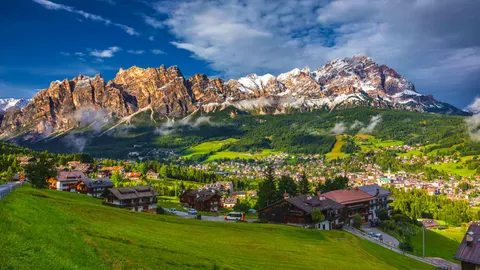
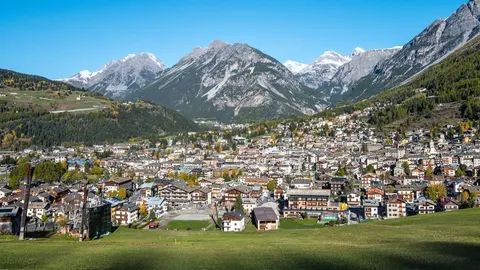
The average daily rate of 199 EUR ranks third nationally, behind only the alpine resorts of Cortina d'Ampezzo and Livigno, so Rome's revenue lead is driven by volume of nights as much as price. Seasonality reads a moderate 90%, confirming a market that earns year-round rather than in short bursts. The one soft note is revenue down 5% year on year, likely a normalisation as the Jubilee surge plateaus against an already elevated prior year.
Monthly Airbnb occupancy in Rome
Average occupancy rate by month in Rome, compared with the same month a year earlier.
| Month | Occupancy | Prior year |
|---|---|---|
| Oct 2025 | 87.1% | 85% |
| Nov 2025 | 64.2% | 61.9% |
| Dec 2025 | 55.1% | 54.2% |
| Jan 2026 | 49.3% | 49.7% |
| Feb 2026 | 69.2% | 69.5% |
| Mar 2026 | 72.5% | 70.1% |
| Apr 2026 | 81% | 77.6% |
| May 2026 | 87.4% | 82.7% |
| Jun 2026 | 76.7% | 76.1% |
| Jul 2026 | 64.4% | 64.7% |
| Aug 2026 | 61.5% | 64.7% |
Historical Airbnb occupancy in Rome (last 12 months)
📌 Historical trends reveal seasonal highs – plan accordingly.
Airbnb occupancy forecast in Rome (next 90 days)
These figures reflect real-time demand in Rome, helping you plan and price strategically.
Why people book Airbnbs in Rome
Rome runs on a near-perpetual stream of leisure and cultural travellers: the Colosseum, Vatican Museums, Trevi Fountain and St Peter's Basilica anchor a sightseeing circuit that fills short-term rentals across the whole calendar rather than a single high season. Demand is unusually broad-based here, mixing first-time tourists, repeat European city-breakers, religious pilgrims heading to the Vatican, and a steady trickle of business and conference guests around the EUR district and Fiera di Roma.
The 2025 Jubilee Holy Year (24 December 2024 to 6 January 2026) layered an extra wave of pilgrim demand directly over the analysis period, with the Vatican projecting upwards of 30 million visitors. That has kept Rome's listings near-permanently busy, and the city's combination of guaranteed footfall and limited central housing stock makes it one of Italy's most resilient short-term-rental markets.
When Airbnb demand peaks in Rome
Rome's twin peaks fall in spring and autumn: May is the single strongest month, with October close behind, when temperatures sit in the low-to-mid 20s C and the sightseeing crowds are heaviest. April through June and September into early October are the reliable money-makers; Easter week and the surrounding shoulder weeks pull demand forward each spring.
July and August stay busy with international tourists but heat above 31 C softens nightly rates, while January and December are the clear low points despite Christmas and New Year spikes around the Vatican. The 2025 Jubilee compressed this curve further, concentrating pilgrim arrivals into the spring (May to June) and autumn (September to October) windows that already drive the market.
Best neighbourhoods for short-term rentals in Rome
Centro Storico, the historic core around Piazza Navona, the Pantheon and the Trevi Fountain, commands the highest nightly rates and the most reliable occupancy because guests will pay to walk to everything; it also carries the strictest competition and the smallest available apartments. Monti, wedged between the Colosseum and the main station, attracts a younger, design-conscious crowd and converts well for stylish one- and two-bed flats.
Trastevere trades on cobbled charm, nightlife and its restaurant scene and rents strongly to couples and groups, though noise complaints are a real operational risk. Prati, the clean, residential Vatican-side district, suits families and Vatican-bound pilgrims and offers larger, calmer units, while Testaccio and the EUR business quarter serve foodies and corporate stays respectively at gentler price points than the dead centre.
Short-term rental rules in Rome
Since 2 January 2025 every short-term rental in Italy must display a national CIN (Codice Identificativo Nazionale), issued through the Ministry of Tourism's database, on the listing and at the property; hosting without one risks fines up to 8,000 EUR and removal of the listing. Owners must also meet basic safety requirements (working smoke and gas detectors, a fire extinguisher) and report guest details to the Questura via the Alloggiati Web portal.
In Rome specifically, hosts register with the Comune in addition to the national CIN and collect the city's tourist tax, set at 6 EUR per guest per night for short-term rentals, remitting it to the municipality. Rome has also moved toward tighter central-city rules including minimum-stay and in-person check-in expectations, so confirm current Comune di Roma requirements before listing.
Tools & strategies for Rome
Revenue Management in Rome
We help you increase revenue in Rome with pricing algorithms and active monitoring.
Learn moreDynamic Pricing in Rome
Our engine auto-adjusts prices based on demand and local events in Rome.
Learn moreChannel Manager in Rome
Manage listings on Airbnb, Booking.com and Vrbo in one place across Rome.
Learn moreCheck your Airbnb in Italy
And around the world
Other cities in Italy
Compare performance across markets – occupancy, nightly prices and seasonality for other destinations in Italy.

Calculate your earnings potential in Rome
Discover how much more you could earn by optimizing your listings with ListingOK
Your listings
How do we achieve these results?
AI Dynamic Pricing
Occupancy Optimization
Market Analysis
24/7 Expert Support
In line with our best results!
Get your full report
Detailed analysis and personalized recommendations
* Calculations based on 30 days/month. Actual results may vary depending on market, season, property type, and implemented strategy.
Suggest a new city in Italy
Frequently asked questions about Airbnb occupancy in Rome
Rome averaged 71% occupancy over the June 2025 to May 2026 analysis period, the highest of the 14 Italian cities ListingOK tracks and about 15 points above the roughly 56% national average. That works out to around 255 booked nights a year, reflecting a market with broad, year-round leisure and pilgrim demand rather than a single short peak.
Spring and autumn are the strongest windows: May is the single best month and October is close behind, with April to June and September into early October delivering the most reliable bookings at premium rates. July and August stay busy but summer heat softens pricing, while January and December are the quietest months despite a brief Christmas and New Year bump near the Vatican.
Yes. Since January 2025 every Italian short-term rental needs a national CIN code from the Ministry of Tourism, displayed on the listing, with fines up to 8,000 EUR for non-compliance. In Rome you also register with the Comune, collect the 6 EUR per guest per night tourist tax, report guests via Alloggiati Web, and meet basic safety rules; central-city minimum-stay and in-person check-in restrictions may also apply.
Centro Storico earns the highest rates thanks to walkable proximity to the Pantheon, Navona and Trevi, but competition is fierce and units are small. Monti suits stylish younger guests, Trastevere rents strongly to couples and groups despite noise risk, and Prati offers larger, calmer apartments ideal for families and Vatican pilgrims. Testaccio and EUR serve foodies and business travellers at gentler price points.