
Airbnb Occupancy Rate in Granada, Spain, Data & Trends 2026
Curious about the performance of short-term rentals in Granada, Spain? Over the last year, the average occupancy rate was 59% with an average nightly price (ADR) of 103€. Hosts earned on average 1776€ per month.

📩 Send me this report and get it in my inbox every month
90-day occupancy forecast for Granada so you can update rates and stay ahead of competitors.
Market summary in Granada
Key metrics to optimize your pricing strategy
Avg. monthly earnings
1776€
$1616 USD
YoY Revenue Change
5%
vs. previous year
Occupancy Rate
59%
~18 days/month
Average Daily Rate
103€
$94 USD
Seasonality Index
59%
demand variation
Best Months
April, May
peak season
Worst Months
July, January
low season
Revenue Management in Granada
Our AI-powered platform automatically optimizes your rates. Maximize your revenue with intelligent dynamic pricing.
What Granada's occupancy and nightly prices actually mean
Over the analysis period, Granada ran 60% average occupancy across about 217 booked nights a year, three points below the 63% Spanish national tracked average and mid-pack among the 28 Spanish cities ListingOK follows. Its average daily rate of 101 euros, roughly 92 dollars, sits below Spain's national norm, reflecting a mid-priced inland market, and produces average monthly revenue of about 1,768 euros, or 1,607 dollars, per listing.
The encouraging figure is a 5% year-on-year revenue gain, in line with the increases most Spanish markets posted and a contrast to the declines seen in capacity-constrained cities like Barcelona. The 61% seasonality index confirms relatively even, Alhambra-driven demand rather than a single summer spike. Read together, the numbers describe a healthy, growing mid-market destination whose main forward risk is not weak demand but the tightening licence caps now reshaping where new supply can legally operate.
Monthly Airbnb occupancy in Granada
Average occupancy rate by month in Granada, compared with the same month a year earlier.
| Month | Occupancy | Prior year |
|---|---|---|
| Oct 2025 | 69.7% | 68.3% |
| Nov 2025 | 52.2% | 51.9% |
| Dec 2025 | 53.5% | 52.3% |
| Jan 2026 | 49.2% | 47.1% |
| Feb 2026 | 58.9% | 61.2% |
| Mar 2026 | 58.9% | 58.4% |
| Apr 2026 | 72.2% | 72.3% |
| May 2026 | 69.5% | 65.8% |
| Jun 2026 | 52.7% | 56.6% |
| Jul 2026 | 50.9% | 51% |
Historical Airbnb occupancy in Granada (last 12 months)
📌 Historical trends reveal seasonal highs – plan accordingly.
Airbnb occupancy forecast in Granada (next 90 days)
These figures reflect real-time demand in Granada, helping you plan and price strategically.
Why people book Airbnbs in Granada
Granada's short-term rental market is built almost entirely around one of the most visited monuments in Spain: the Alhambra, the Nasrid palace-and-fortress complex with the Generalife gardens that draws millions of visitors a year. That single, ticket-capped attraction sets the rhythm of the whole city's tourism, and short-stay demand clusters around guests visiting for two to three nights to tour the Alhambra, wander the Moorish-era Albaicin and take in the Sierra Nevada backdrop.
Beyond the Alhambra, demand is fed by Granada's deep cultural layer: the cathedral and Royal Chapel, the historic centre, the flamenco caves of Sacromonte, and the city's famous free-tapas bar culture that pulls a strong domestic and student visitor base, anchored by one of Spain's oldest universities. In winter, the Sierra Nevada ski resort just outside the city adds a distinct mountain-tourism stream. The combination of world-heritage monument, lively tapas scene and nearby skiing makes Granada a versatile, mid-priced market with steady year-round appeal.
When Airbnb demand peaks in Granada
Granada peaks in spring: the strongest months in ListingOK's data are April and May, when occupancy climbs into the high 60s and low 70s, around 72% at the top, helped by mild weather, Semana Santa processions and the comfortable shoulder-season window before summer heat. October also runs strong, near 70%, as the autumn shoulder brings ideal sightseeing temperatures.
The weakest months are July and January: July sags into the low 50s as fierce inland summer heat deters city tourism, and January is soft after the holidays despite some Sierra Nevada ski spillover. The 61% seasonality index is relatively moderate, confirming demand is fairly well spread rather than concentrated in a single burst, an unusual profile for an inland Spanish city and a reflection of the Alhambra's year-round pull. Operators should price up for the April-May and October peaks and lean on tapas-and-culture and ski demand to hold the summer and winter troughs.
Best neighbourhoods for short-term rentals in Granada
The Albaicin, the UNESCO-listed Moorish quarter of whitewashed houses and narrow lanes facing the Alhambra, is the most iconic and high-converting area, prized for its views and atmosphere, though it now carries the tightest licensing limits. The Realejo, the old Jewish quarter below the Alhambra, offers a slightly calmer but still central base rich in tapas bars and street art.
The Centro-Sagrario around the cathedral and Plaza Nueva is the walkable commercial heart, convenient to sights and transport and strong for short city-break stays. Sacromonte, famous for its cave dwellings and flamenco, draws a niche experiential segment. Across all of these, however, the practical question is increasingly regulatory: the central, most desirable districts are exactly where Granada has capped new tourist-rental licences, so a valid registration matters as much as the postcode.
Short-term rental rules in Granada
Granada sits under Andalusia's regional regime for tourist-use homes (viviendas de uso turistico, VUT), governed by Decree 28/2016 and subsequent reforms. Operating legally requires registering the property with the Registro de Turismo de Andalucia via a responsible declaration to the Junta, obtaining a registration number (NRA) that must appear in all advertising; the home must meet residential habitability standards, and VUT stays are capped at 31 days before they fall under ordinary lease law. Since 1 July 2025, owners must also obtain a national single-rental registration number through Spain's new ventanilla unica registry.
Decisively, Granada has layered a municipal cap on top: in 2025 the city council approved limiting tourist homes to 10% of dwellings per zone and stopped granting new VUT licences in the saturated central neighbourhoods of Albaicin, Realejo, Centro-Sagrario and Figares, which already exceed that threshold. Anyone buying to let in central Granada should verify that a unit already holds a valid registration, since new ones are no longer available there; confirm current rules with the Junta de Andalucia and the Granada city council before committing.
Tools & strategies for Granada
Revenue Management in Granada
We help you increase revenue in Granada with pricing algorithms and active monitoring.
Learn moreDynamic Pricing in Granada
Our engine auto-adjusts prices based on demand and local events in Granada.
Learn moreChannel Manager in Granada
Manage listings on Airbnb, Booking.com and Vrbo in one place across Granada.
Learn moreCheck your Airbnb in Spain
And around the world
Other cities in Spain
Compare performance across markets – occupancy, nightly prices and seasonality for other destinations in Spain.

Madrid
72%
Barcelona
73%
Valencia
71%
Seville
67%
Malaga
75%
Murcia
63%
Palma
68%
Las Palmas de Gran Canaria
68%
Alicante
70%
Bilbao
64%
Córdoba
52%
Vigo
58%
A Coruña
60%
Jerez de la Frontera
48%
San Sebastián
62%
Santiago de Compostela
56%
Lugo
49%
Torrevieja
62%
Estepona
63%
Benidorm
63%
Torremolinos
75%
Vilanova i la Geltrú
64%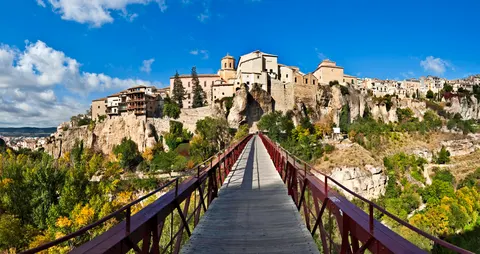
Cuenca
53%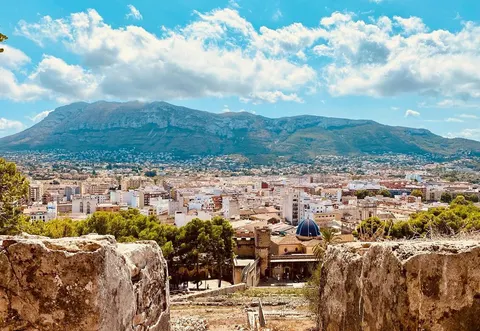
Dénia
58%
Los Realejos
67%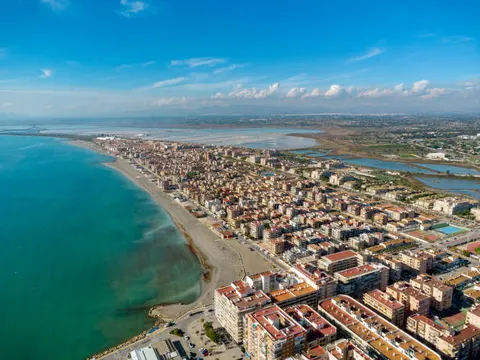
Santa Pola
70%
Inca
60%
Altea
61%
Nerja
67%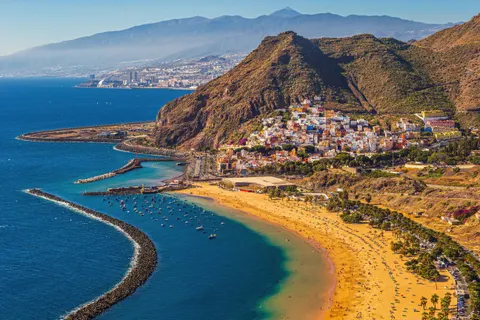
Santa Úrsula
67%
Capdepera
56%
Arico
65%Ribamontán al Mar
48%Calculate your earnings potential in Granada
Discover how much more you could earn by optimizing your listings with ListingOK
Your listings
How do we achieve these results?
AI Dynamic Pricing
Occupancy Optimization
Market Analysis
24/7 Expert Support
In line with our best results!
Get your full report
Detailed analysis and personalized recommendations
* Calculations based on 30 days/month. Actual results may vary depending on market, season, property type, and implemented strategy.
Suggest a new city in Spain
Frequently asked questions about Airbnb occupancy in Granada
Granada averaged about 60% occupancy over the analysis period, roughly 217 booked nights a year. That is three points below the 63% Spanish national tracked average and mid-pack among the 28 Spanish cities ListingOK follows. Demand is fairly evenly spread thanks to the Alhambra's year-round pull, peaking in the high 60s to low 70s in spring and autumn and softening in July and January.
April and May are the strongest months, with occupancy reaching around 72%, helped by mild weather, Semana Santa and the comfortable pre-summer shoulder; October also runs near 70%. July is the weakest, in the low 50s as fierce inland heat deters tourism, and January is soft despite some Sierra Nevada ski spillover. Price up for the spring and autumn peaks and discount the summer and winter troughs.
Yes. You must register the property with the Registro de Turismo de Andalucia and obtain an NRA number for all advertising, plus, since 1 July 2025, a national single-rental number via Spain's ventanilla unica. Critically, Granada capped tourist homes at 10% per zone in 2025 and stopped issuing new VUT licences in Albaicin, Realejo, Centro-Sagrario and Figares, so confirm a unit already holds a valid registration before buying to let.
The Albaicin, the Moorish quarter facing the Alhambra, is the most iconic and high-converting but now carries the tightest licence caps. The Realejo offers a calmer central base rich in tapas, and the Centro-Sagrario around the cathedral is the walkable commercial heart, strong for city breaks. Sacromonte suits a niche flamenco-and-caves segment. In the central districts a valid VUT registration matters as much as the location, since new licences are capped.