
Airbnb Occupancy Rate in Madrid, Spain, Data & Trends 2026
Curious about the performance of short-term rentals in Madrid, Spain? Over the last year, the average occupancy rate was 72% with an average nightly price (ADR) of 134€. Hosts earned on average 2685€ per month.

📩 Send me this report and get it in my inbox every month
90-day occupancy forecast for Madrid so you can update rates and stay ahead of competitors.
Market summary in Madrid
Key metrics to optimize your pricing strategy
Avg. monthly earnings
2685€
$2443 USD
YoY Revenue Change
8%
vs. previous year
Occupancy Rate
72%
~22 days/month
Average Daily Rate
134€
$122 USD
Seasonality Index
47%
demand variation
Best Months
May, October
peak season
Worst Months
August, February
low season
Revenue Management in Madrid
Our AI-powered platform automatically optimizes your rates. Maximize your revenue with intelligent dynamic pricing.
What Madrid's occupancy and nightly prices actually mean
Over the June 2025–May 2026 period, Madrid averaged 73% occupancy (about 261 booked nights a year) which is 10 points above the 63% Spain-wide average across the 28 Spanish cities we track, and the third-highest in the country behind only the Costa del Sol pair of Málaga and Torremolinos (both 75%). The average daily rate of €128 sits just above the €122 national average, but the combination is what stands out: it produced roughly €2,616 in average monthly revenue, about 22% above the €2,148 Spanish average, because consistently high occupancy compounds with a solid nightly rate. Revenue grew 4% year on year, a stable, mature market rather than a boom. The practical takeaway for pricing is clear: with only moderate seasonality, the job in Madrid is less about surviving a dead winter and more about capturing the May and October peaks and the trade-fair spikes with timely, confident rate increases rather than leaving money on the table.
Monthly Airbnb occupancy in Madrid
Average occupancy rate by month in Madrid, compared with the same month a year earlier.
| Month | Occupancy | Prior year |
|---|---|---|
| Oct 2025 | 81.3% | 82% |
| Nov 2025 | 73.2% | 71.9% |
| Dec 2025 | 63.1% | 66% |
| Jan 2026 | 63.8% | 63.8% |
| Feb 2026 | 69% | 68.5% |
| Mar 2026 | 72.3% | 72.1% |
| Apr 2026 | 77.9% | 77.4% |
| May 2026 | 79.2% | 78.4% |
| Jun 2026 | 73.9% | 70.5% |
| Jul 2026 | 57.5% | 60.3% |
| Aug 2026 | 57.8% | 61.9% |
Historical Airbnb occupancy in Madrid (last 12 months)
📌 Historical trends reveal seasonal highs – plan accordingly.
Airbnb occupancy forecast in Madrid (next 90 days)
These figures reflect real-time demand in Madrid, helping you plan and price strategically.
Why people book Airbnbs in Madrid
Madrid draws a year-round mix of leisure and business travellers, which is the single biggest reason its short-term-rental demand stays high through every season. The city revolves around the "Golden Triangle of Art" (the Prado, Reina Sofía and Thyssen-Bornemisza museums) alongside the Royal Palace, Plaza Mayor and the Retiro park, while Real Madrid and Atlético draw football tourism to the Bernabéu and the Metropolitano. Layered on top is a heavy calendar of trade fairs and conventions at IFEMA, the city exhibition complex, which fills flats midweek when leisure-only cities go quiet. Madrid received roughly 5.8 million international visitors in 2023, led by the United States, Italy, France, the UK and Mexico, a diversified, non-seasonal demand base that beach destinations simply do not have.
When Airbnb demand peaks in Madrid
Demand peaks in May and October. May combines mild weather with the Fiestas de San Isidro, the patron-saint festival of Madrid held in mid-May, while October sits in the heart of the autumn business-and-trade-fair season. The weakest months are August and February: in August temperatures hit 32–34 °C and madrileños leave town, so domestic and business demand pauses, and February is a post-holiday lull (partly offset by FITUR, the giant international tourism fair held at IFEMA in late January, 21–25 January in 2026, with around 255,000 trade visitors). The seasonality index of 53% is moderate by Spanish standards: demand dips but never collapses, because business and MICE travel smooths the calendar. From 2026 the city also adds a major September motorsport event at IFEMA, reinforcing the autumn peak.
Best neighbourhoods for short-term rentals in Madrid
Where a property sits matters as much as when. Centro/Sol (Puerta del Sol, Plaza Mayor) carries the highest foot traffic and the strongest nightly rates, but also the tightest regulation. La Latina offers medieval old-town charm, the Sunday Rastro market and the densest tapas scene in the city; Malasaña and Chueca are the nightlife and LGBTQ+ districts that pull younger, weekend-heavy guests; Salamanca is the upscale shopping quarter that commands a premium ADR; and Retiro and Chamberí are calmer, residential areas that tend to attract longer, repeat stays.
Short-term rental rules in Madrid
Madrid is tightening short-term-rental rules quickly. Since 1 July 2025 every tourist rental must display a national Single Registry Number (Número de Registro Único) to advertise on Airbnb or Booking; in the capital you also need a municipal urban-planning licence plus a responsible declaration to the Comunidad de Madrid to enter the regional tourism register. Under the Plan RESIDE rules, new conversions to tourist use are permitted only in whole "exclusive" buildings and for a 15-year term, and (following the reform of the Horizontal Property Law) launching a new rental in a residential building now requires the express approval of the building residents association. Anyone buying specifically to operate should confirm the licence status of a property before purchase, not after.
Tools & strategies for Madrid
Revenue Management in Madrid
We help you increase revenue in Madrid with pricing algorithms and active monitoring.
Learn moreDynamic Pricing in Madrid
Our engine auto-adjusts prices based on demand and local events in Madrid.
Learn moreChannel Manager in Madrid
Manage listings on Airbnb, Booking.com and Vrbo in one place across Madrid.
Learn moreCheck your Airbnb in Spain
And around the world
Other cities in Spain
Compare performance across markets – occupancy, nightly prices and seasonality for other destinations in Spain.
Barcelona
73%
Valencia
71%
Seville
67%
Malaga
75%
Murcia
63%
Palma
68%
Las Palmas de Gran Canaria
68%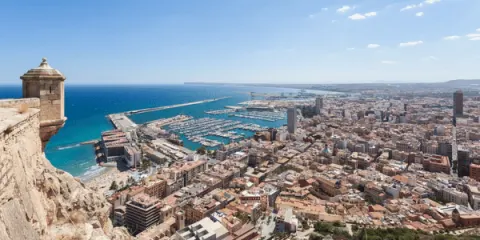
Alicante
70%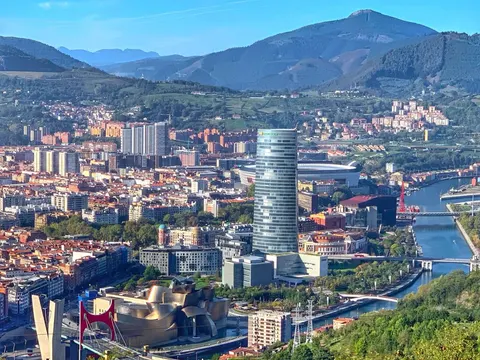
Bilbao
64%
Córdoba
52%
Vigo
58%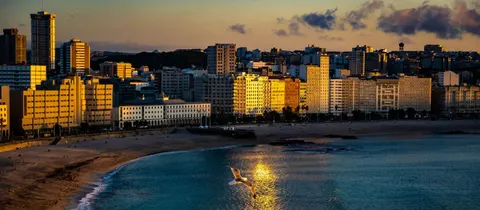
A Coruña
60%
Granada
59%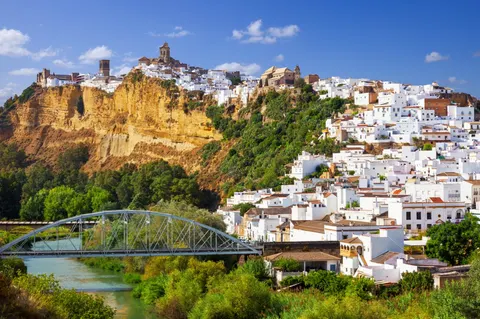
Jerez de la Frontera
48%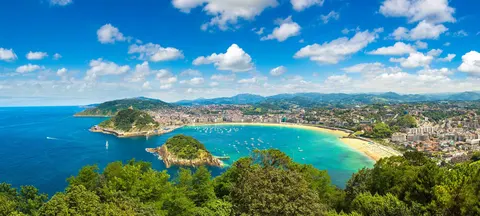
San Sebastián
62%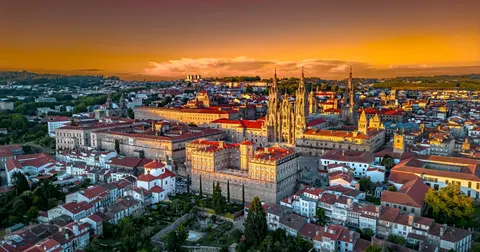
Santiago de Compostela
56%
Lugo
49%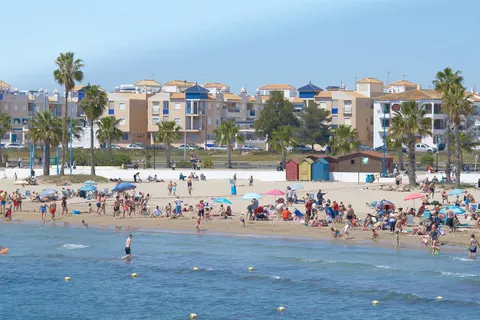
Torrevieja
62%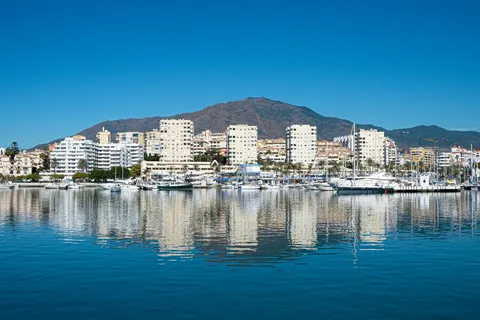
Estepona
63%
Benidorm
63%
Torremolinos
75%
Vilanova i la Geltrú
64%
Cuenca
53%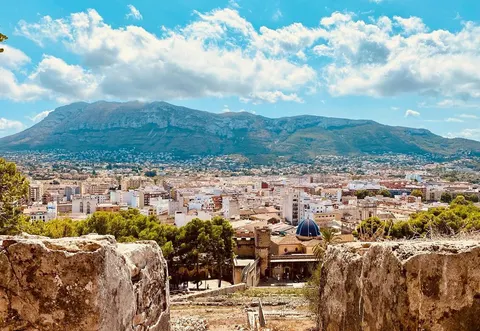
Dénia
58%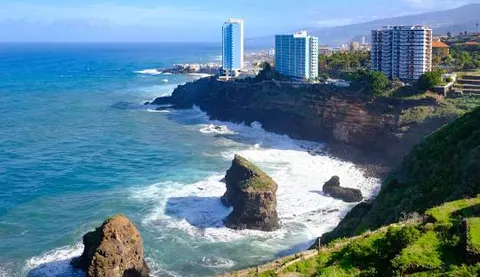
Los Realejos
67%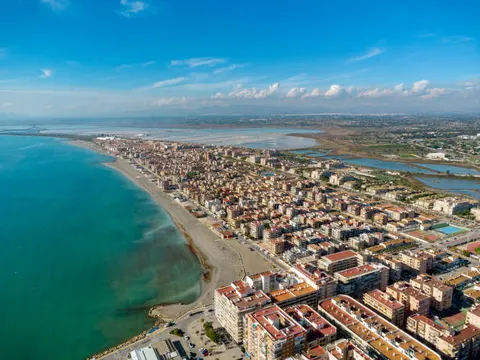
Santa Pola
70%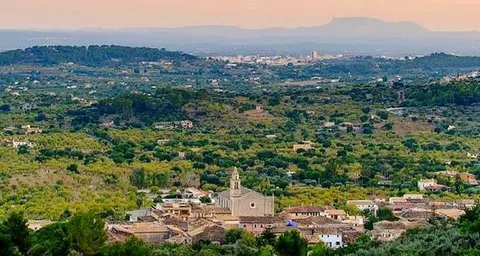
Inca
60%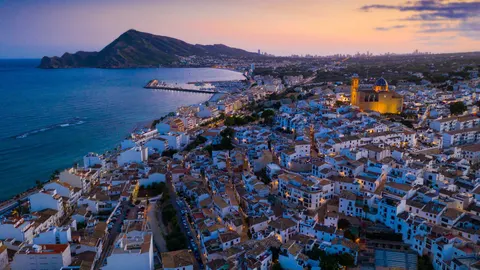
Altea
61%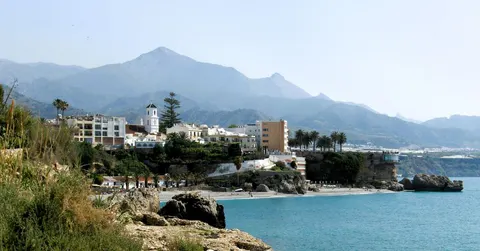
Nerja
67%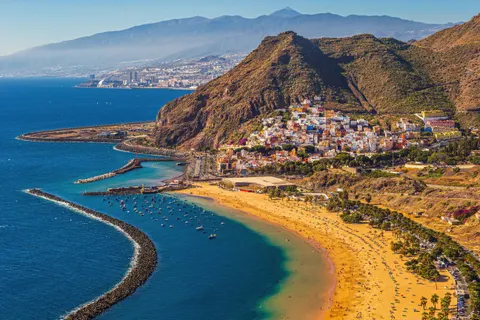
Santa Úrsula
67%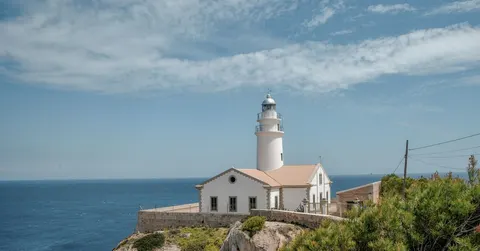
Capdepera
56%
Arico
65%Ribamontán al Mar
48%Calculate your earnings potential in Madrid
Discover how much more you could earn by optimizing your listings with ListingOK
Your listings
How do we achieve these results?
AI Dynamic Pricing
Occupancy Optimization
Market Analysis
24/7 Expert Support
In line with our best results!
Get your full report
Detailed analysis and personalized recommendations
* Calculations based on 30 days/month. Actual results may vary depending on market, season, property type, and implemented strategy.
Suggest a new city in Spain
Frequently asked questions about Airbnb occupancy in Madrid
Madrid averages about 73% Airbnb occupancy, roughly 261 booked nights a year (June 2025–May 2026). That's 10 points above the 63% Spanish average and the third-highest of the Spanish cities we track, behind only Málaga and Torremolinos.
Demand peaks in May (mild weather plus the San Isidro festival) and October (the autumn business and trade-fair season). The weakest months are August (when the heat hits 32–34 °C and locals leave) and February. Seasonality is moderate, so demand dips but never collapses.
Yes. Since 1 July 2025 every tourist rental needs a national Single Registry Number (NRU) to advertise on Airbnb or Booking, plus a municipal urban-planning licence and a responsible declaration to the Comunidad de Madrid. Under Plan RESIDE, new tourist-use conversions are allowed only in whole "exclusive" buildings, with the owners' community's express approval.
Centro/Sol commands the highest nightly rates and footfall but the strictest rules. La Latina offers old-town charm and the Sunday Rastro; Malasaña and Chueca draw younger nightlife guests; Salamanca is the upscale, premium-ADR district; and Retiro and Chamberí are calmer residential areas suited to longer stays.