
Airbnb Occupancy Rate in Malaga, Spain, Data & Trends 2026
Curious about the performance of short-term rentals in Malaga, Spain? Over the last year, the average occupancy rate was 75% with an average nightly price (ADR) of 134€. Hosts earned on average 2919€ per month.

📩 Send me this report and get it in my inbox every month
90-day occupancy forecast for Malaga so you can update rates and stay ahead of competitors.
Market summary in Malaga
Key metrics to optimize your pricing strategy
Avg. monthly earnings
2919€
$2656 USD
YoY Revenue Change
6%
vs. previous year
Occupancy Rate
75%
~23 days/month
Average Daily Rate
134€
$122 USD
Seasonality Index
78%
demand variation
Best Months
August, July
peak season
Worst Months
January, November
low season
Revenue Management in Malaga
Our AI-powered platform automatically optimizes your rates. Maximize your revenue with intelligent dynamic pricing.
What Malaga's occupancy and nightly prices actually mean
Over the analysis period of June 2025 to May 2026, Malaga posted 75% average occupancy, the highest of the 28 Spanish cities tracked and a full 12 points above the national average of roughly 63%. That translates to about 270 booked nights a year, an exceptionally high utilisation that reflects how the city now sells across all four seasons rather than just summer.
Average daily rate sits at 130 euros, comfortably above the country average near 122 euros and seventh-highest among the tracked cities, producing average monthly revenue of around 2,808 euros per listing. Year-on-year revenue growth was a modest 2%, a sign the market is maturing and supply is dense rather than still climbing. Seasonality of 70% confirms a real summer peak but a far flatter curve than coastal resort markets, which is exactly what makes Malaga attractive for operators who need cash flow outside July and August.
Monthly Airbnb occupancy in Malaga
Average occupancy rate by month in Malaga, compared with the same month a year earlier.
| Month | Occupancy | Prior year |
|---|---|---|
| Oct 2025 | 76.8% | 79.7% |
| Nov 2025 | 65.7% | 65.8% |
| Dec 2025 | 67.2% | 63.2% |
| Jan 2026 | 60.4% | 60.6% |
| Feb 2026 | 78.2% | 79.3% |
| Mar 2026 | 74.4% | 75.5% |
| Apr 2026 | 80% | 76.4% |
| May 2026 | 81.2% | 78.5% |
| Jun 2026 | 79.3% | 76.1% |
| Jul 2026 | 83.4% | 79.9% |
| Aug 2026 | 82% | 82.8% |
Historical Airbnb occupancy in Malaga (last 12 months)
📌 Historical trends reveal seasonal highs – plan accordingly.
Airbnb occupancy forecast in Malaga (next 90 days)
These figures reflect real-time demand in Malaga, helping you plan and price strategically.
Why people book Airbnbs in Malaga
Malaga has shifted from a quick stopover on the way to the Costa del Sol resorts into a year-round city-break destination in its own right, and that transformation drives most of its Airbnb demand. The city pulls a broad mix of guests: culture travellers heading for the Picasso Museum, the Centre Pompidou, the Carmen Thyssen and the Roman Theatre; beachgoers using La Malagueta and the eastern Pedregalejo coast; and a fast-growing flow of remote workers and long-stay visitors drawn by mild winters and the airport's dense European route network.
Cruise traffic into Malaga's port and the city's role as the gateway to the wider Costa del Sol add a steady layer of short-stay demand, while business and conference travel through the Palacio de Ferias keeps midweek nights filling in shoulder months. The result is one of Andalusia's most resilient short-let markets, with the historic centre and the beach districts competing hardest for nightly bookings.
When Airbnb demand peaks in Malaga
Peak demand runs across the summer, with July and August the strongest months as beach tourism, school holidays and warm 30-31C weather converge. The standout event is the Feria de Malaga (Feria de Agosto), a nine-day, ten-night fair held over the third week of August, which floods the city with visitors and lets hosts command their highest rates of the year. Easter is the other major spike: Semana Santa (March or April, date varies) is recognised as a Fiesta of International Tourist Interest, with dozens of brotherhood processions drawing large crowds for a single intense week.
The low season is winter, with January and November the softest months for bookings. Mild Mediterranean winters and near-absent rainfall keep Malaga more bookable in the off-season than inland Spanish cities, and the steady arrival of long-stay remote workers cushions the dip, so demand never collapses the way it does in purely beach-driven resort towns nearby.
Best neighbourhoods for short-term rentals in Malaga
The Centro Historico is the prime short-let zone: the Alcazaba, the cathedral, Calle Larios and the museums sit within walking distance, so listings here achieve the highest occupancy and rate but face the tightest competition and the strictest new-licence limits. Soho, the arts district just south of the centre around the CAC contemporary art museum, has been heavily redeveloped and appeals to younger, design-minded guests while staying walkable to everything.
La Malagueta is the beach-and-port district, commanding premium rates for sea views and walk-to-sand access but skewing seasonal and crowded in summer. Further east, Pedregalejo and El Palo offer a quieter, more residential seafront stay popular with families and longer bookings. Inland barrios away from the tourist core trade lower nightly rates for steadier year-round occupancy and, crucially, are where any new licence is now far harder to obtain.
Short-term rental rules in Malaga
Malaga's short-term rental market is now one of the most tightly regulated in Spain. Tourist-use homes (viviendas de uso turistico, VUT) must be registered with the Andalusian tourism registry, and the city has moved through a phased clampdown: from June 2024 new VUTs without an independent entrance and services were blocked, and from January 2025 new registrations were banned outright in 43 saturated neighbourhoods and restricted to properties with independent access across 328 others.
In August 2025 the City Council went further, approving a moratorium of up to three years (August 2025 to August 2028, or until the urban plan is revised) that suspends all new VUT licences citywide under Andalusian Decree-law 1/2025. Existing, legally registered VUTs that comply with the rules are not affected, so an already-licensed property remains a valuable asset, but new entrants effectively cannot obtain a fresh licence during the moratorium. Always confirm the current status of any specific listing before buying or operating.
Tools & strategies for Malaga
Revenue Management in Malaga
We help you increase revenue in Malaga with pricing algorithms and active monitoring.
Learn moreDynamic Pricing in Malaga
Our engine auto-adjusts prices based on demand and local events in Malaga.
Learn moreChannel Manager in Malaga
Manage listings on Airbnb, Booking.com and Vrbo in one place across Malaga.
Learn moreCheck your Airbnb in Spain
And around the world
Other cities in Spain
Compare performance across markets – occupancy, nightly prices and seasonality for other destinations in Spain.

Madrid
72%
Barcelona
73%
Valencia
71%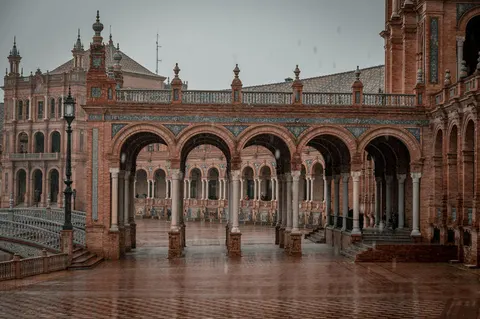
Seville
67%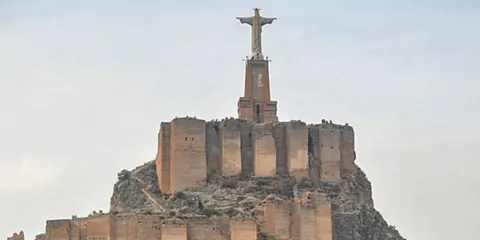
Murcia
63%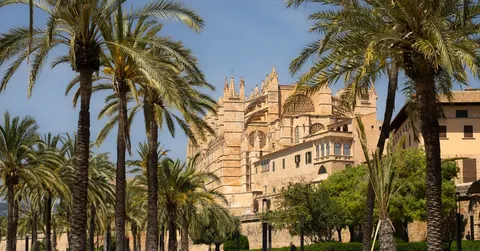
Palma
68%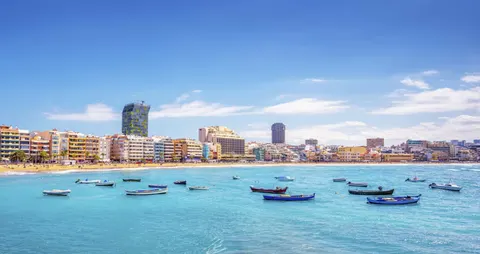
Las Palmas de Gran Canaria
68%
Alicante
70%
Bilbao
64%
Córdoba
52%
Vigo
58%
A Coruña
60%
Granada
59%
Jerez de la Frontera
48%
San Sebastián
62%
Santiago de Compostela
56%
Lugo
49%
Torrevieja
62%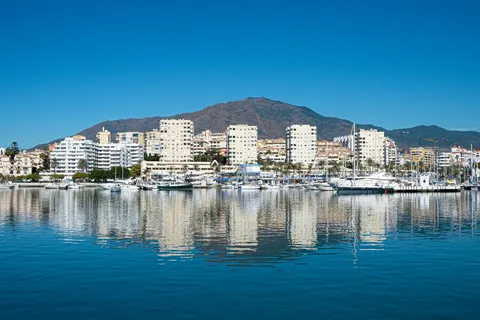
Estepona
63%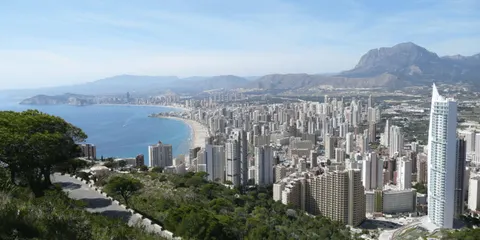
Benidorm
63%
Torremolinos
75%
Vilanova i la Geltrú
64%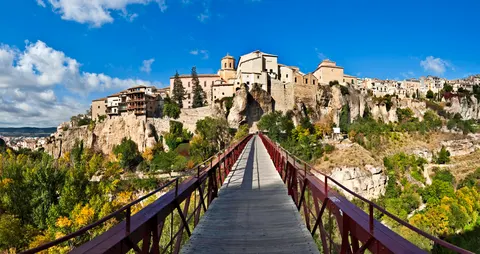
Cuenca
53%
Dénia
58%
Los Realejos
67%
Santa Pola
70%
Inca
60%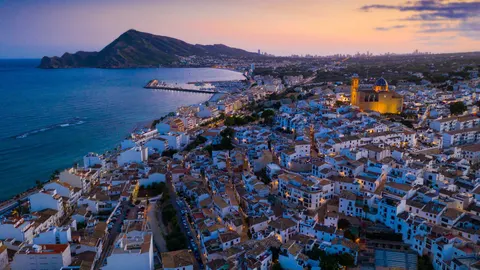
Altea
61%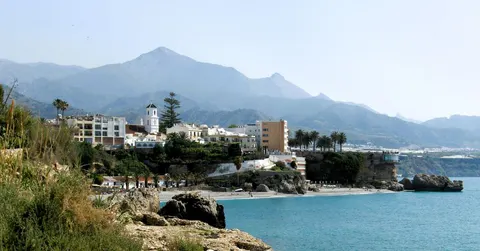
Nerja
67%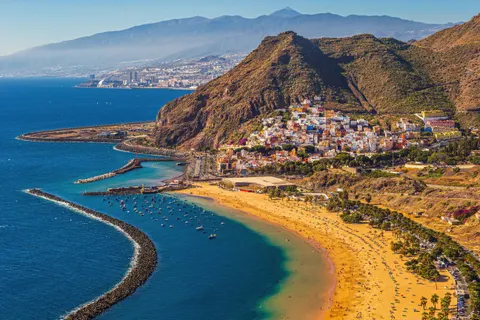
Santa Úrsula
67%
Capdepera
56%
Arico
65%Ribamontán al Mar
48%Calculate your earnings potential in Malaga
Discover how much more you could earn by optimizing your listings with ListingOK
Your listings
How do we achieve these results?
AI Dynamic Pricing
Occupancy Optimization
Market Analysis
24/7 Expert Support
In line with our best results!
Get your full report
Detailed analysis and personalized recommendations
* Calculations based on 30 days/month. Actual results may vary depending on market, season, property type, and implemented strategy.
Suggest a new city in Spain
Frequently asked questions about Airbnb occupancy in Malaga
Malaga averaged 75% occupancy over the June 2025 to May 2026 period, the highest of the 28 Spanish cities in ListingOK's data and around 12 points above the national average of roughly 63%. That works out to about 270 booked nights a year, reflecting strong demand across all four seasons rather than a purely summer market.
July and August are the strongest months, peaking around the Feria de Malaga in the third week of August when rates and occupancy hit their annual high. Easter week (Semana Santa, March or April) is the other major spike. Winter, especially January and November, is the softest period, though mild weather and long-stay guests keep demand steadier than at nearby resort towns.
Yes. Tourist-use homes must be registered as a VUT with the Andalusian tourism registry. Since August 2025 Malaga has imposed a citywide moratorium suspending all new VUT licences for up to three years (to August 2028), on top of earlier bans in 43 saturated neighbourhoods. Existing legal licences are unaffected, but obtaining a new one is effectively impossible during the moratorium.
The Centro Historico delivers the highest occupancy and rates thanks to walkable access to the Alcazaba, cathedral and museums, though competition and licence limits are tightest. Soho suits design-led guests near the CAC, while La Malagueta commands beach premiums. Pedregalejo and El Palo offer quieter, family- and long-stay-friendly seafront, and inland barrios trade lower rates for steadier year-round bookings.