
Airbnb Occupancy Rate in Atlanta, United States, Data & Trends 2026
Curious about the performance of short-term rentals in Atlanta, United States? Over the last year, the average occupancy rate was 55% with an average nightly price (ADR) of 146€. Hosts earned on average 2266€ per month.

📩 Send me this report and get it in my inbox every month
90-day occupancy forecast for Atlanta so you can update rates and stay ahead of competitors.
Market summary in Atlanta
Key metrics to optimize your pricing strategy
Avg. monthly earnings
2266€
$2062 USD
YoY Revenue Change
-1%
vs. previous year
Occupancy Rate
55%
~17 days/month
Average Daily Rate
146€
$133 USD
Seasonality Index
42%
demand variation
Best Months
July, June
peak season
Worst Months
February, September
low season
Revenue Management in Atlanta
Our AI-powered platform automatically optimizes your rates. Maximize your revenue with intelligent dynamic pricing.
What Atlanta's occupancy and nightly prices actually mean
Over the June 2025 to May 2026 analysis period, Atlanta listings ran 56% average occupancy with an ADR of about $126 (139 euros) and median gross revenue near $2,014 (2,215 euros) per month across roughly 203 booked nights a year. That occupancy sits about four points below the United States city average of around 60%, and the ADR is well under the national average of roughly 202 euros, reflecting Atlanta's value-priced, business-driven mix rather than a premium resort market.
Revenue was down 5% year-on-year, a modest softening rather than a collapse, likely tied to continued new supply downtown. Seasonality is low at 35%, the lowest-volatility profile you will find among major US markets, which confirms the picture of steady event and corporate demand: managers here should price for consistent year-round occupancy and lean on the July and May peaks rather than betting on a single high season.
Monthly Airbnb occupancy in Atlanta
Average occupancy rate by month in Atlanta, compared with the same month a year earlier.
| Month | Occupancy | Prior year |
|---|---|---|
| Oct 2025 | 59.9% | 64% |
| Nov 2025 | 55.8% | 58% |
| Dec 2025 | 56.3% | 56.4% |
| Jan 2026 | 56.2% | 56.2% |
| Feb 2026 | 57.5% | 57.2% |
| Mar 2026 | 60.6% | 60.8% |
| Apr 2026 | 60.8% | 60.5% |
| May 2026 | 58.8% | 62.1% |
| Jun 2026 | 59.2% | 64.9% |
| Jul 2026 | 56.3% | 64.5% |
| Aug 2026 | 56.6% | 60% |
Historical Airbnb occupancy in Atlanta (last 12 months)
📌 Historical trends reveal seasonal highs – plan accordingly.
Airbnb occupancy forecast in Atlanta (next 90 days)
These figures reflect real-time demand in Atlanta, helping you plan and price strategically.
Why people book Airbnbs in Atlanta
Atlanta's Airbnb demand is built on business and convention traffic more than leisure tourism. Hartsfield-Jackson, the world's busiest airport, funnels a constant stream of corporate travellers, layover guests and conference delegates, and the Georgia World Congress Center keeps downtown hotels and rentals busy with trade shows year-round. The city is also a major film and television production hub, which sustains a steady base of mid-stay bookings from crews working multi-week shoots.
Leisure demand layers on top of this: visitors come for the Georgia Aquarium, World of Coca-Cola, Mercedes-Benz Stadium, the Martin Luther King Jr. National Historical Park and the College Football Hall of Fame, most clustered downtown. Because much of the demand is professional and event-driven rather than seasonal beach tourism, occupancy in Atlanta is steadier across the calendar than in resort markets, but average nightly rates stay moderate.
When Airbnb demand peaks in Atlanta
Atlanta peaks in late spring and mid-summer. The strongest months in the data are July and May; July is lifted by the AJC Peachtree Road Race, a 60,000-runner 10K that closes Peachtree Road every Independence Day, and by the warm-weather convention and concert calendar. May benefits from graduation season, spring conferences and mild weather before the summer humidity sets in.
The softest months are February and September. February is the quiet post-holiday business lull, while September is pulled down despite Dragon Con (3-7 September 2026), the 70,000-attendee pop-culture convention that spikes downtown rentals for a single weekend but cannot lift the whole month. Atlanta's humid subtropical climate means hot, sticky summers and mild winters, so spring and autumn shoulder periods offer the most comfortable conditions and the steadiest mid-week corporate bookings.
Best neighbourhoods for short-term rentals in Atlanta
Downtown is the convention and stadium core, closest to the Georgia World Congress Center, Mercedes-Benz Stadium and the major attractions; it captures event-driven and business demand but can feel quiet at night. Midtown, the second business district, blends offices with the High Museum, Piedmont Park and a dense restaurant scene, making it the most reliable all-purpose short-term-rental zone. Buckhead, eight miles north along Peachtree Road, draws upscale and longer corporate stays around its retail and hotel cluster.
For distinctive, higher-yield listings, the eastside historic neighbourhoods stand out: the Old Fourth Ward (home to the King historic site and the BeltLine), Inman Park, Virginia-Highland and East Atlanta offer walkable streetcar-suburb character that appeals to leisure guests. West Midtown's converted industrial lofts and galleries round out the design-led end of the market.
Short-term rental rules in Atlanta
Atlanta requires a Short-Term Rental Licence (STRL) for any rental of fewer than 30 consecutive days. Hosts apply online through the city permitting portal (atl311.com), pay a $150 annual fee, and submit a notarised affidavit plus proof of ownership or lease authorisation; the licence number must appear on every listing. A single licence covers up to two properties, one of which must be the host's primary residence and the second one additional dwelling.
The city also collects hotel-motel occupancy tax on bookings. Operating without a valid STRL exposes hosts to fines starting at $500 per violation and removal of the listing, so registration is the first step before going live. Always confirm current rules with the City of Atlanta before listing, as the ordinance and enforcement practices continue to evolve.
Tools & strategies for Atlanta
Revenue Management in Atlanta
We help you increase revenue in Atlanta with pricing algorithms and active monitoring.
Learn moreDynamic Pricing in Atlanta
Our engine auto-adjusts prices based on demand and local events in Atlanta.
Learn moreChannel Manager in Atlanta
Manage listings on Airbnb, Booking.com and Vrbo in one place across Atlanta.
Learn moreCheck your Airbnb in United States
And around the world
Other cities in United States
Compare performance across markets – occupancy, nightly prices and seasonality for other destinations in United States.
New York
76%
Los Angeles
75%
Chicago
64%
Houston
56%
Phoenix
63%
Philadelphia
60%
San Antonio
56%
San Diego
65%
Dallas
60%
Austin
58%
Indianapolis
57%
San Francisco
74%
Seattle
64%
Nashville
58%
Denver
68%
Washington
64%
Las Vegas
59%
Kansas City
61%
Miami
61%
Tampa
59%
New Orleans
54%
Honolulu
74%
Orlando
61%
Pittsburgh
58%
Scottsdale
63%
Tacoma
61%
Fayetteville
50%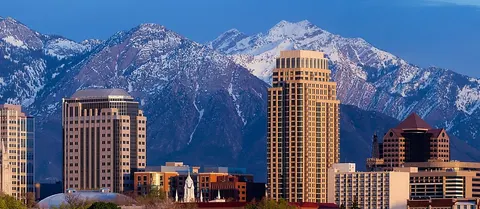
Salt Lake City
66%
Athens
45%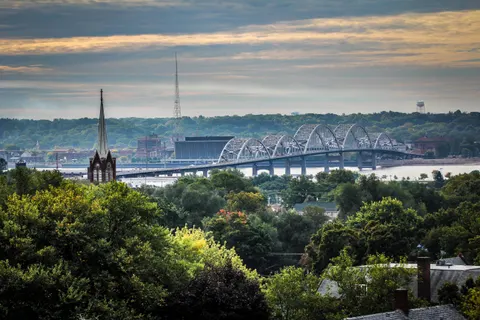
Davenport
61%
Santa Fe
61%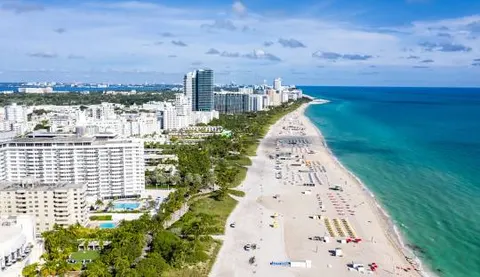
Miami Beach
61%
Daytona Beach
53%
Idaho Falls
53%
Galveston
43%
Venice
75%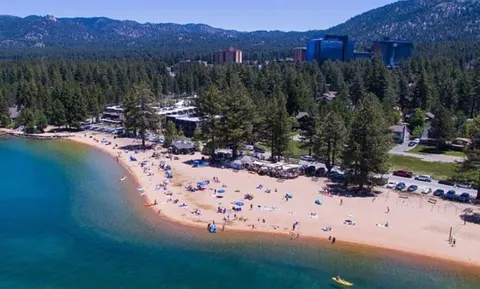
South Lake Tahoe
46%
Durango
49%
Panama City Beach
55%
Santa Rosa Beach
53%
Lahaina
64%
Little River
51%
Alamosa
52%Kill Devil Hills
51%Dripping Springs
58%
Carterville
55%
Big Bear Lake
36%
Rockaway Beach
54%
The Sea Ranch
53%
Springville
48%
Anna Maria
61%Calculate your earnings potential in Atlanta
Discover how much more you could earn by optimizing your listings with ListingOK
Your listings
How do we achieve these results?
AI Dynamic Pricing
Occupancy Optimization
Market Analysis
24/7 Expert Support
In line with our best results!
Get your full report
Detailed analysis and personalized recommendations
* Calculations based on 30 days/month. Actual results may vary depending on market, season, property type, and implemented strategy.
Suggest a new city in United States
Frequently asked questions about Airbnb occupancy in Atlanta
Atlanta listings averaged about 56% occupancy over the June 2025 to May 2026 period, roughly 203 booked nights a year. That is a few points below the US city average near 60%, but the market is notably stable, with low 35% seasonality. Steady business, convention and film-crew demand keeps occupancy consistent rather than spiking around a single tourist season.
July and May are the strongest months. July is driven by the Independence Day AJC Peachtree Road Race and summer conventions, while May benefits from graduations and spring conferences. February and September are the weakest. Because demand is business and event led, focus on capturing mid-week corporate stays year-round rather than relying on a short high season.
Yes. Atlanta requires a Short-Term Rental Licence for stays under 30 days. You apply online via atl311.com, pay $150 a year, and submit a notarised affidavit plus proof of ownership or lease authorisation, displaying the licence number on every listing. One licence covers up to two properties, including your primary residence. Hotel-motel occupancy tax also applies, and operating unlicensed risks fines from $500.
Midtown is the most reliable all-rounder, mixing offices, Piedmont Park and dining. Downtown captures convention and stadium demand near the Georgia World Congress Center. Buckhead suits upscale and longer corporate stays. For distinctive leisure listings, the eastside historic areas, the Old Fourth Ward, Inman Park and Virginia-Highland, plus West Midtown's loft district, offer walkable character that commands stronger nightly rates.