
Airbnb Occupancy Rate in Los Angeles, United States, Data & Trends 2026
Curious about the performance of short-term rentals in Los Angeles, United States? Over the last year, the average occupancy rate was 75% with an average nightly price (ADR) of 242€. Hosts earned on average 4864€ per month.

📩 Send me this report and get it in my inbox every month
90-day occupancy forecast for Los Angeles so you can update rates and stay ahead of competitors.
Market summary in Los Angeles
Key metrics to optimize your pricing strategy
Avg. monthly earnings
4864€
$4426 USD
YoY Revenue Change
2%
vs. previous year
Occupancy Rate
75%
~23 days/month
Average Daily Rate
242€
$220 USD
Seasonality Index
40%
demand variation
Best Months
June, July
peak season
Worst Months
January, February
low season
Revenue Management in Los Angeles
Our AI-powered platform automatically optimizes your rates. Maximize your revenue with intelligent dynamic pricing.
What Los Angeles's occupancy and nightly prices actually mean
Over the June 2025 to May 2026 analysis period, Los Angeles averaged 75% occupancy, about 15 points above the roughly 60% United States average across the cities we track and second only to New York nationally. The average nightly rate of 232€ (about $211) sits comfortably above the national mean of around 202€, and a well-run listing earned roughly 4,667€ (about $4,243) per month, equivalent to 269 booked nights a year. That combination of high occupancy and an above-average rate makes LA one of the country's most consistent earners.
The seasonality index of just 31% is unusually low, confirming that LA revenue is spread evenly rather than tied to a short peak, which lowers the risk of empty shoulder months. Revenue was down about 5% year on year, a milder decline than most US markets in the same period, so while rates have softened, Los Angeles has held up better than average.
Monthly Airbnb occupancy in Los Angeles
Average occupancy rate by month in Los Angeles, compared with the same month a year earlier.
| Month | Occupancy | Prior year |
|---|---|---|
| Oct 2025 | 72.2% | 71.5% |
| Nov 2025 | 67.7% | 65.8% |
| Dec 2025 | 65.1% | 64.1% |
| Jan 2026 | 65.7% | 63.4% |
| Feb 2026 | 72.7% | 69.4% |
| Mar 2026 | 72.7% | 70.5% |
| Apr 2026 | 70.6% | 70% |
| May 2026 | 72.6% | 72.7% |
| Jun 2026 | 75.5% | 73.8% |
| Jul 2026 | 74.7% | 73.8% |
| Aug 2026 | 71.5% | 69.4% |
Historical Airbnb occupancy in Los Angeles (last 12 months)
📌 Historical trends reveal seasonal highs – plan accordingly.
Airbnb occupancy forecast in Los Angeles (next 90 days)
These figures reflect real-time demand in Los Angeles, helping you plan and price strategically.
Why people book Airbnbs in Los Angeles
Los Angeles draws a steady, year-round mix of leisure tourists, entertainment-industry travellers and business visitors, and that diversity is what keeps Airbnb demand high. Beach-seekers head for Santa Monica and Venice, film and music fans gravitate to Hollywood and West Hollywood, and a constant flow of awards-season crews, studio talent and production staff books extended stays near Downtown and the Westside. The city's role as a global entertainment capital means it never relies on a single season of visitors.
For hosts, the practical takeaway is breadth of demand rather than one peak: corporate relocations, audition trips, convention attendees at the LA Convention Center and international tourists overlap throughout the year. With Los Angeles hosting marquee global events through the late 2020s, including the build-up to the LA28 Olympic Games, underlying demand for short stays is structurally strong even as nightly rates soften year on year.
When Airbnb demand peaks in Los Angeles
Los Angeles is one of the flattest short-term-rental markets in the country, with demand spread across the calendar rather than concentrated in a few weeks. The strongest months are March and May, when mild, dry spring weather precedes the coastal cloud of "May Gray" and "June Gloom" that keeps mornings overcast near the beach. January and February are the softest months for occupancy, though awards season props up rates: the Grammy Awards (February 1, 2026 at Crypto.com Arena) and the run of guild, Golden Globe and Academy Awards ceremonies bring industry travellers into the city.
Late spring through autumn delivers the most reliable bookings, helped by warm, rain-free weather and a packed events calendar. Regional draws such as the Coachella festival in nearby Indio (April 10-19, 2026) pull overflow demand toward LA's Westside and Downtown, while October's clear skies and lower competition make it a strong, underrated month for managers to push rates.
Best neighbourhoods for short-term rentals in Los Angeles
The coastal strip is the premium tier: Santa Monica and Venice Beach command the highest nightly rates thanks to the pier, the boardwalk, Abbot Kinney and walk-to-sand access, and they attract the leisure travellers willing to pay for location. Hollywood and West Hollywood are the entertainment core, drawing fans of the Walk of Fame, TCL Chinese Theatre and the nightlife along Sunset, with strong year-round occupancy and broad guest appeal.
Downtown LA leans toward business travellers, convention attendees and event-goers near Crypto.com Arena, performing best midweek and around major events. Silver Lake and the eastside neighbourhoods offer a less touristy, design-forward alternative that suits guests wanting a local, residential feel at lower rates. Because LA's strict primary-residence rule limits where legal whole-home short stays can operate, choosing a neighbourhood is as much about regulatory feasibility as about guest demand.
Short-term rental rules in Los Angeles
Los Angeles regulates short-term rentals through its Home-Sharing Ordinance, which permits stays of under 30 nights only in the host's primary residence, the home they live in at least six months of the year. Hosts must register with the city and display a valid Home-Sharing Registration Number on every listing; the application fee is 89€ (about $89) with annual renewal. Standard registration caps home-sharing at 120 nights per year.
Going beyond 120 nights requires a separate Extended Home-Sharing approval with additional requirements, and operating without it carries steep penalties, the greater of roughly $2,000 per day or twice the nightly rate. Whole investment properties that are not the host's residence generally cannot be legally operated as short-term rentals within the City of Los Angeles, so confirming a unit's eligibility before listing is essential.
Tools & strategies for Los Angeles
Revenue Management in Los Angeles
We help you increase revenue in Los Angeles with pricing algorithms and active monitoring.
Learn moreDynamic Pricing in Los Angeles
Our engine auto-adjusts prices based on demand and local events in Los Angeles.
Learn moreChannel Manager in Los Angeles
Manage listings on Airbnb, Booking.com and Vrbo in one place across Los Angeles.
Learn moreCheck your Airbnb in United States
And around the world
Other cities in United States
Compare performance across markets – occupancy, nightly prices and seasonality for other destinations in United States.
New York
76%
Chicago
64%
Houston
56%
Phoenix
63%
Philadelphia
60%
San Antonio
56%
San Diego
65%
Dallas
60%
Austin
58%
Indianapolis
57%
San Francisco
74%
Seattle
64%
Nashville
58%
Denver
68%
Washington
64%
Las Vegas
59%
Kansas City
61%
Atlanta
55%
Miami
61%
Tampa
59%
New Orleans
54%
Honolulu
74%
Orlando
61%
Pittsburgh
58%
Scottsdale
63%
Tacoma
61%
Fayetteville
50%
Salt Lake City
66%
Athens
45%
Davenport
61%
Santa Fe
61%
Miami Beach
61%
Daytona Beach
53%
Idaho Falls
53%
Galveston
43%
Venice
75%
South Lake Tahoe
46%
Durango
49%
Panama City Beach
55%
Santa Rosa Beach
53%
Lahaina
64%
Little River
51%
Alamosa
52%Kill Devil Hills
51%Dripping Springs
58%
Carterville
55%
Big Bear Lake
36%
Rockaway Beach
54%
The Sea Ranch
53%
Springville
48%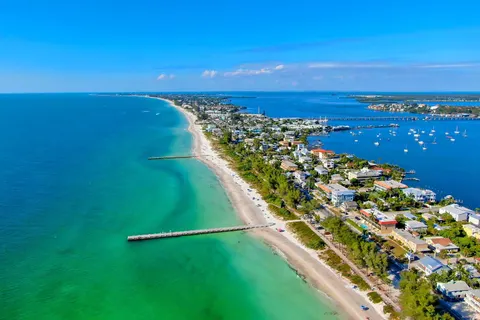
Anna Maria
61%Calculate your earnings potential in Los Angeles
Discover how much more you could earn by optimizing your listings with ListingOK
Your listings
How do we achieve these results?
AI Dynamic Pricing
Occupancy Optimization
Market Analysis
24/7 Expert Support
In line with our best results!
Get your full report
Detailed analysis and personalized recommendations
* Calculations based on 30 days/month. Actual results may vary depending on market, season, property type, and implemented strategy.
Suggest a new city in United States
Frequently asked questions about Airbnb occupancy in Los Angeles
Los Angeles averaged 75% occupancy over the June 2025 to May 2026 period, around 15 points above the roughly 60% United States average and second-highest of all US cities we track, behind only New York. That translates to about 269 booked nights a year, making LA one of the most consistently occupied short-term-rental markets in the country.
March and May are the strongest months, with mild, dry spring weather before the coastal "June Gloom" sets in. January and February are the softest for occupancy, though awards season and the Grammys (February 1, 2026) support rates. With a low 31% seasonality index, LA books steadily year-round, so October is also a strong, less competitive month.
Yes. Los Angeles requires a Home-Sharing Registration Number, displayed on every listing, with an 89€ (about $89) fee. Short stays are legal only in your primary residence, where you live at least six months a year, and are capped at 120 nights annually unless you obtain Extended Home-Sharing approval. Non-compliance penalties are steep.
Santa Monica and Venice Beach command the highest rates for leisure travellers, while Hollywood and West Hollywood draw entertainment fans year-round. Downtown LA suits business and event guests, and Silver Lake offers a local, lower-rate alternative. Because of the strict primary-residence rule, confirm a property's legal eligibility before choosing a neighbourhood to operate in.