
Airbnb Occupancy Rate in Houston, United States, Data & Trends 2026
Curious about the performance of short-term rentals in Houston, United States? Over the last year, the average occupancy rate was 56% with an average nightly price (ADR) of 139€. Hosts earned on average 2191€ per month.

📩 Send me this report and get it in my inbox every month
90-day occupancy forecast for Houston so you can update rates and stay ahead of competitors.
Market summary in Houston
Key metrics to optimize your pricing strategy
Avg. monthly earnings
2191€
$1994 USD
YoY Revenue Change
-3%
vs. previous year
Occupancy Rate
56%
~17 days/month
Average Daily Rate
139€
$126 USD
Seasonality Index
51%
demand variation
Best Months
March, June
peak season
Worst Months
February, January
low season
Revenue Management in Houston
Our AI-powered platform automatically optimizes your rates. Maximize your revenue with intelligent dynamic pricing.
What Houston's occupancy and nightly prices actually mean
Over the June 2025-May 2026 analysis period, Houston averaged 57% occupancy at a $122 ADR, producing about $1,943 in average monthly revenue across roughly 204 booked nights a year. Occupancy sits a few points below the US national average (around 60% across the cities ListingOK tracks), but the more striking number is ADR: at $122 it is among the lowest of any major US metro in the dataset, well under the national average near $185 and far below Texas peers Austin ($165) and Dallas ($134).
That low nightly rate is the defining feature of the Houston market. Abundant land and a permissive housing supply keep prices down, so the path to revenue here is volume and stay length, not premium nightly pricing. Revenue is down about 9% year over year, in line with the broad softening seen across US markets this period. With a 52% seasonality swing, the spread between the March peak and the January-February trough is moderate, rewarding operators who lean into Rodeo and the 2026 World Cup windows.
Monthly Airbnb occupancy in Houston
Average occupancy rate by month in Houston, compared with the same month a year earlier.
| Month | Occupancy | Prior year |
|---|---|---|
| Oct 2025 | 60.8% | 59.4% |
| Nov 2025 | 57.2% | 59.5% |
| Dec 2025 | 55.2% | 55.8% |
| Jan 2026 | 53% | 52.6% |
| Feb 2026 | 63.1% | 62.3% |
| Mar 2026 | 65.8% | 67.2% |
| Apr 2026 | 51.4% | 56.7% |
| May 2026 | 57.1% | 61.8% |
| Jun 2026 | 62.6% | 62.7% |
| Jul 2026 | 55.8% | 59.7% |
| Aug 2026 | 54.6% | 57.2% |
Historical Airbnb occupancy in Houston (last 12 months)
📌 Historical trends reveal seasonal highs – plan accordingly.
Airbnb occupancy forecast in Houston (next 90 days)
These figures reflect real-time demand in Houston, helping you plan and price strategically.
Why people book Airbnbs in Houston
Houston's short-term-rental demand is driven less by leisure tourism than by the city's role as an energy capital and medical hub. The Texas Medical Center, the largest medical complex in the world, brings a steady year-round stream of patients, families, travelling nurses and visiting clinicians who need stays of a week to several months close to the campus, anchoring occupancy when leisure cities go quiet. Layered on top are the energy and petrochemical industries (the Energy Corridor, the Port of Houston and downtown headquarters), the city's role as a corporate convention destination, and aerospace visitors tied to NASA's Johnson Space Center to the southeast.
This mix makes Houston a midweek, mid-stay market rather than a weekend-getaway one. Listings that perform well here cater to relocating professionals, medical stays and business travellers rather than to bachelorette tourism. With 135 active listings tracked and an analysis covering a sprawling, car-dependent metro, location near the Medical Center, downtown or major employment corridors matters more than it would in a compact tourist city.
When Airbnb demand peaks in Houston
Houston's calendar peaks in spring. The Houston Livestock Show and Rodeo, the world's largest, runs March 2-22, 2026 at NRG Park (with the downtown parade on February 28) and fills hotels and rentals near NRG for three weeks; March is consistently one of the two strongest months in the data. A second summer peak in July reflects relocation season and convention activity. February and January are the weakest months, a quiet post-holiday, pre-Rodeo stretch.
2026 brings an exceptional one-off demand spike: Houston hosts seven 2026 FIFA World Cup matches at NRG Stadium between June 14 and July 4, including a Round-of-16 game. Operators near NRG Park and downtown should treat those specific match dates as premium-pricing nights well above the normal summer baseline. Note the flip side of the climate: Houston summers are hot and humid, and the June-November Gulf hurricane season can disrupt travel, so demand is event-led rather than weather-led.
Best neighbourhoods for short-term rentals in Houston
Montrose and the Heights are Houston's most walkable, design-forward inner-loop districts, full of restaurants, galleries and boutiques; they attract leisure and relocating guests willing to pay more for character. Midtown sits between downtown and the Medical Center, is served by the METRORail light rail and skews toward young professionals, making it strong for both business and medical stays.
The Texas Medical Center corridor itself, along with nearby Greenway Plaza and Rice Village, is the dependable engine for longer medical and academic stays. Downtown and the EaDo/East End suit convention, sports and World Cup demand given proximity to the George R. Brown Convention Center and stadiums. Uptown/Galleria offers upscale high-rise units geared to shopping and corporate visitors, while the Energy Corridor and Westchase on the west side capture oil-and-gas business travel. Because Houston is so spread out, naming the nearest anchor (Medical Center, NRG, downtown) is what sells a listing.
Short-term rental rules in Houston
Houston adopted its first short-term-rental ordinance on April 16, 2025, effective January 1, 2026. It defines an STR as a dwelling rented for fewer than 30 consecutive days and requires every operator inside city limits to hold a valid certificate of registration. Registration opened October 1, 2025, costs $275 per year per property, and the certificate plus emergency-contact information must be displayed conspicuously just inside the front entrance.
Enforcement has teeth as of 2026: from April 1, 2026 platforms such as Airbnb and Vrbo are required to remove listings lacking city registration, and fines run $100-$500 per violation, with each day counting as a separate offence and the certificate subject to revocation. Operators must also comply with noise, safety and waste rules. Note that individual HOAs and deed restrictions across Houston's many master-planned communities can ban STRs outright regardless of the city permit, so check the specific subdivision before listing.
Tools & strategies for Houston
Revenue Management in Houston
We help you increase revenue in Houston with pricing algorithms and active monitoring.
Learn moreDynamic Pricing in Houston
Our engine auto-adjusts prices based on demand and local events in Houston.
Learn moreChannel Manager in Houston
Manage listings on Airbnb, Booking.com and Vrbo in one place across Houston.
Learn moreCheck your Airbnb in United States
And around the world
Other cities in United States
Compare performance across markets – occupancy, nightly prices and seasonality for other destinations in United States.
New York
76%
Los Angeles
75%
Chicago
64%
Phoenix
63%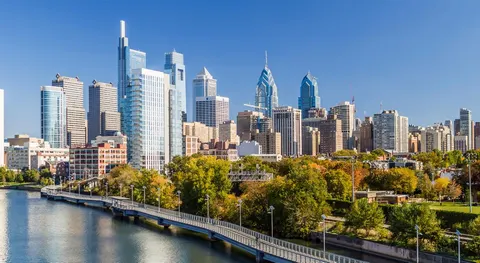
Philadelphia
60%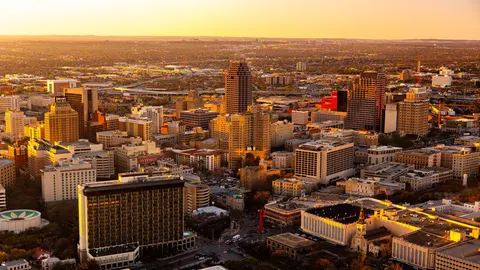
San Antonio
56%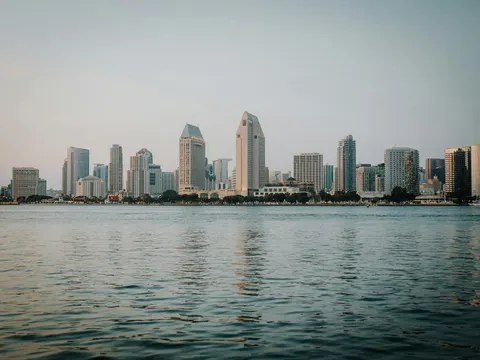
San Diego
65%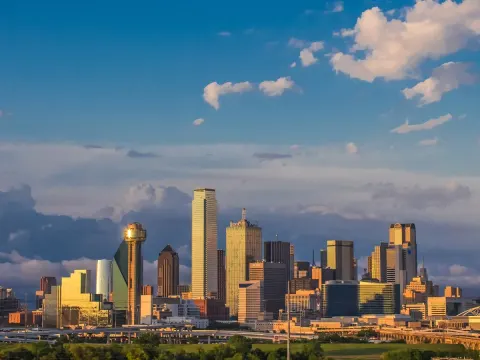
Dallas
60%
Austin
58%
Indianapolis
57%
San Francisco
74%
Seattle
64%
Nashville
58%
Denver
68%
Washington
64%
Las Vegas
59%
Kansas City
61%
Atlanta
55%
Miami
61%
Tampa
59%
New Orleans
54%
Honolulu
74%
Orlando
61%
Pittsburgh
58%
Scottsdale
63%
Tacoma
61%
Fayetteville
50%
Salt Lake City
66%
Athens
45%
Davenport
61%
Santa Fe
61%
Miami Beach
61%
Daytona Beach
53%
Idaho Falls
53%
Galveston
43%
Venice
75%
South Lake Tahoe
46%
Durango
49%
Panama City Beach
55%
Santa Rosa Beach
53%
Lahaina
64%
Little River
51%
Alamosa
52%Kill Devil Hills
51%Dripping Springs
58%
Carterville
55%
Big Bear Lake
36%
Rockaway Beach
54%
The Sea Ranch
53%
Springville
48%
Anna Maria
61%Calculate your earnings potential in Houston
Discover how much more you could earn by optimizing your listings with ListingOK
Your listings
How do we achieve these results?
AI Dynamic Pricing
Occupancy Optimization
Market Analysis
24/7 Expert Support
In line with our best results!
Get your full report
Detailed analysis and personalized recommendations
* Calculations based on 30 days/month. Actual results may vary depending on market, season, property type, and implemented strategy.
Suggest a new city in United States
Frequently asked questions about Airbnb occupancy in Houston
Over the June 2025 to May 2026 period, Houston short-term rentals averaged about 57% occupancy, equivalent to roughly 204 booked nights a year. That runs a few points below the US national average of around 60%. The bigger differentiator is the low $122 average nightly rate, so Houston rewards consistent volume and longer stays over premium pricing.
March is the strongest month, driven by the Houston Livestock Show and Rodeo (March 2-22, 2026 at NRG Park), with a second peak in July from relocation and convention season. January and February are weakest. In 2026, the seven FIFA World Cup matches at NRG Stadium between June 14 and July 4 create an exceptional premium-pricing window near NRG and downtown.
Yes. Since January 1, 2026 every STR inside Houston city limits must hold a city certificate of registration, costing $275 per year per property. From April 1, 2026 platforms remove unregistered listings, and fines run $100-$500 per day of violation. The certificate and emergency contact must be displayed inside the front entrance. Check HOA and deed restrictions too, as many subdivisions ban STRs.
Montrose and the Heights draw leisure and relocating guests with their walkable, restaurant-rich character. Midtown and the Texas Medical Center corridor (plus Greenway Plaza and Rice Village) are the dependable engines for business and longer medical stays. Downtown and EaDo suit convention, sports and World Cup demand, while Uptown/Galleria and the Energy Corridor capture corporate and oil-and-gas travel.