
Airbnb Occupancy Rate in Dallas, United States, Data & Trends 2026
Curious about the performance of short-term rentals in Dallas, United States? Over the last year, the average occupancy rate was 60% with an average nightly price (ADR) of 152€. Hosts earned on average 2546€ per month.

📩 Send me this report and get it in my inbox every month
90-day occupancy forecast for Dallas so you can update rates and stay ahead of competitors.
Market summary in Dallas
Key metrics to optimize your pricing strategy
Avg. monthly earnings
2546€
$2317 USD
YoY Revenue Change
-4%
vs. previous year
Occupancy Rate
60%
~18 days/month
Average Daily Rate
152€
$138 USD
Seasonality Index
46%
demand variation
Best Months
June, July
peak season
Worst Months
February, January
low season
Revenue Management in Dallas
Our AI-powered platform automatically optimizes your rates. Maximize your revenue with intelligent dynamic pricing.
What Dallas's occupancy and nightly prices actually mean
Over the June 2025 to May 2026 analysis period, Dallas averaged 61% occupancy, essentially level with the US national average of roughly 60% across the cities ListingOK tracks, and well clear of weaker Texas markets like San Antonio and Houston at 54% and 57%. The strength is consistency, not peak height: a seasonality index of 39% is one of the flattest in the country, meaning revenue is spread across the year rather than concentrated, which favours operators who optimise midweek and shoulder-season pricing.
Where Dallas lags is rate. ADR sits at €147 (about $134) against a national average near €202, pulling typical monthly revenue to €2,492 (about $2,265) despite a healthy 220 booked nights a year. Year-over-year revenue is down 8%, in line with the broad US softening this cycle. The takeaway: Dallas rewards steady utilisation and disciplined cost control more than it rewards chasing a high nightly rate.
Monthly Airbnb occupancy in Dallas
Average occupancy rate by month in Dallas, compared with the same month a year earlier.
| Month | Occupancy | Prior year |
|---|---|---|
| Oct 2025 | 63.8% | 64.2% |
| Nov 2025 | 62% | 61.9% |
| Dec 2025 | 60.7% | 59.1% |
| Jan 2026 | 59.6% | 59.1% |
| Feb 2026 | 64.3% | 63.9% |
| Mar 2026 | 67.2% | 66.1% |
| Apr 2026 | 63% | 62.8% |
| May 2026 | 65.4% | 64.8% |
| Jun 2026 | 70.1% | 72.4% |
| Jul 2026 | 61.2% | 68.8% |
| Aug 2026 | 59.8% | 60.5% |
Historical Airbnb occupancy in Dallas (last 12 months)
📌 Historical trends reveal seasonal highs – plan accordingly.
Airbnb occupancy forecast in Dallas (next 90 days)
These figures reflect real-time demand in Dallas, helping you plan and price strategically.
Why people book Airbnbs in Dallas
Dallas runs as a year-round business and convention market first, leisure market second, and that mix is what keeps Airbnb demand steady rather than spiky. The Kay Bailey Hutchison Convention Center downtown draws over a million attendees a year to events like the Dallas Auto Show and the International Builders' Show, while the Dallas Mavericks at the American Airlines Center and the Cowboys at AT&T Stadium in nearby Arlington pull weekend crowds that overflow short-stay inventory. Corporate relocations, medical visitors to the hospital district, and a constant flow of meetings travelers underpin midweek bookings that purely tourist cities lack.
Leisure demand layers on top: the Dallas Arts District, Deep Ellum's music venues, and the Bishop Arts dining scene give guests a reason to stay weekends, and the State Fair of Texas at Fair Park is a major October draw. Because there is no single dominant peak, Dallas hosts who lean on midweek corporate and event-driven stays tend to fill more calendar than those chasing a short summer window.
When Airbnb demand peaks in Dallas
Dallas seasonality is mild by US standards, and the ListingOK data confirms it: spring and early summer are the strongest stretch, with June and March the top-performing months, while February and January sit at the bottom. The pattern tracks the weather. March through May brings comfortable highs in the 20s C and triggers leisure and event travel before the summer heat arrives; July and August regularly top 35 C, which dampens outdoor tourism even as conventions continue indoors.
The calendar's biggest single lever is the State Fair of Texas, which runs Friday 25 September to Sunday 18 October 2026 at Fair Park and draws over two million visitors across 24 days, tightening fall availability around East Dallas. Spring storm season and the Dallas Auto Show period also add weekend spikes. Winter, outside the holidays, is the soft window where dynamic pricing and minimum-stay flexibility matter most to protect occupancy.
Best neighbourhoods for short-term rentals in Dallas
Location strategy in Dallas splits cleanly by guest type. Downtown and Uptown serve the convention and corporate traveler: Uptown's walkable McKinney Avenue, Klyde Warren Park, and the Katy Trail command higher nightly rates and suit professionals who want to skip a rental car, while Downtown puts guests inside walking distance of the convention center and Arts District. These areas hold rate but face more multifamily competition.
Deep Ellum is the nightlife and live-music draw, ideal for weekend and event guests but noise-sensitive and subject to more code scrutiny. The Bishop Arts District in Oak Cliff, with its independent boutiques and restaurants, attracts longer leisure stays in a quieter residential setting. East Dallas near Fair Park is the play for State Fair and stadium-adjacent demand, while suburban listings toward Arlington capture AT&T Stadium overflow when downtown sells out.
Short-term rental rules in Dallas
Dallas short-term rental regulation is unsettled, so hosts should treat the legal baseline carefully. In June 2023 the City Council approved an ordinance creating a "short-term rental lodging" use, a registration requirement administered by Code Compliance with a roughly $150 annual fee, and rules effectively banning STRs in single-family residential zones. Rental operators sued, and a Dallas County judge enjoined the zoning ban and parts of the registration scheme, leaving them on hold rather than in force.
What remains actively enforced is the city's existing framework: nuisance, noise, parking, occupancy, and minimum property standards still apply, and the city pursues complaints aggressively. Because the contested rules could be revived on appeal, operators should register where required, document compliance, and watch the litigation. Texas also levies state and local hotel occupancy taxes that STRs must collect and remit. Confirm current status with the City of Dallas Planning & Development department before launching.
Tools & strategies for Dallas
Revenue Management in Dallas
We help you increase revenue in Dallas with pricing algorithms and active monitoring.
Learn moreDynamic Pricing in Dallas
Our engine auto-adjusts prices based on demand and local events in Dallas.
Learn moreChannel Manager in Dallas
Manage listings on Airbnb, Booking.com and Vrbo in one place across Dallas.
Learn moreCheck your Airbnb in United States
And around the world
Other cities in United States
Compare performance across markets – occupancy, nightly prices and seasonality for other destinations in United States.
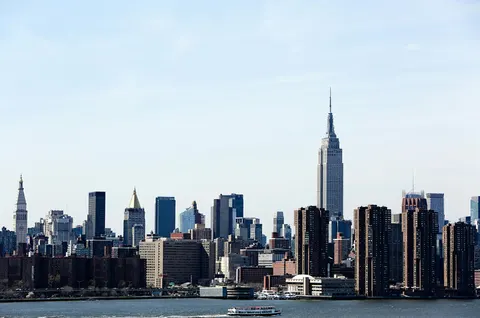
New York
76%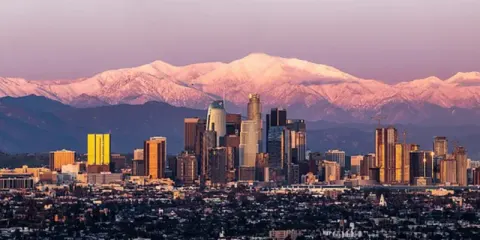
Los Angeles
75%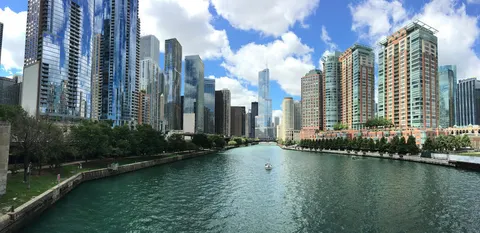
Chicago
64%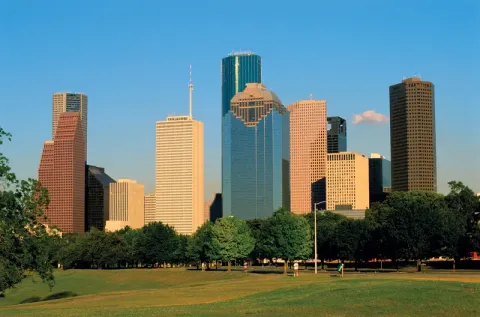
Houston
56%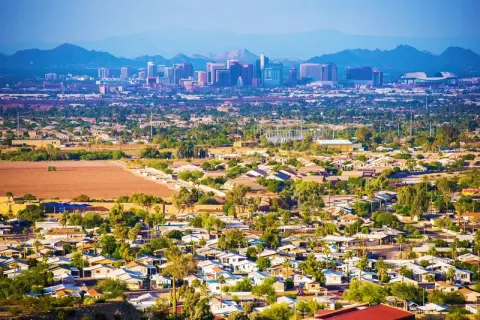
Phoenix
63%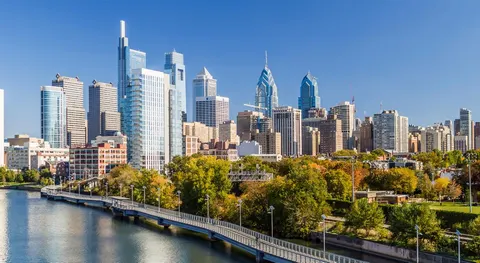
Philadelphia
60%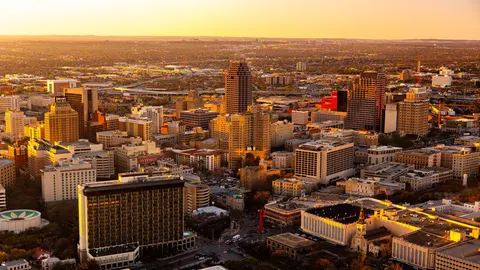
San Antonio
56%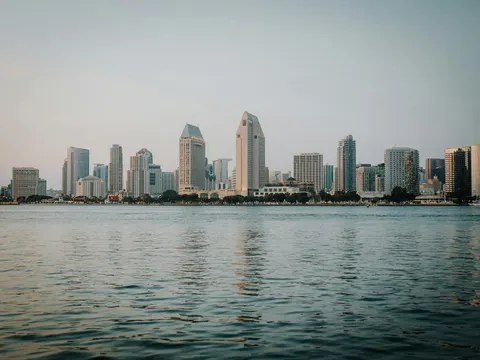
San Diego
65%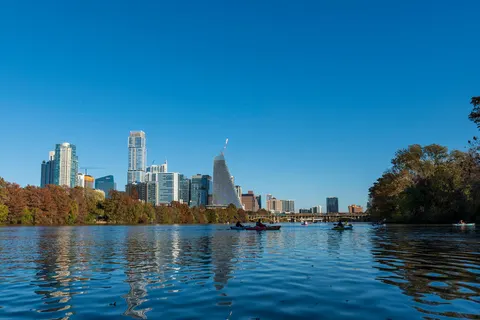
Austin
58%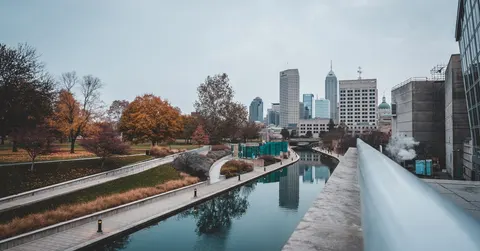
Indianapolis
57%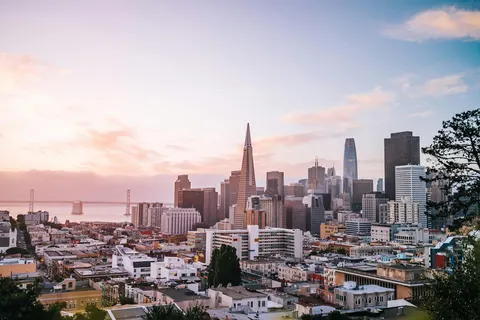
San Francisco
74%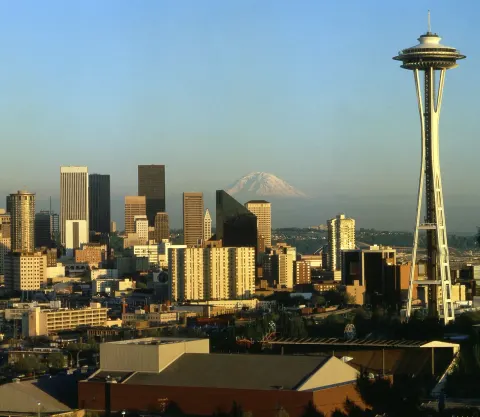
Seattle
64%
Nashville
58%
Denver
68%
Washington
64%
Las Vegas
59%
Kansas City
61%
Atlanta
55%
Miami
61%
Tampa
59%
New Orleans
54%
Honolulu
74%
Orlando
61%
Pittsburgh
58%
Scottsdale
63%
Tacoma
61%
Fayetteville
50%
Salt Lake City
66%
Athens
45%
Davenport
61%
Santa Fe
61%
Miami Beach
61%
Daytona Beach
53%
Idaho Falls
53%
Galveston
43%
Venice
75%
South Lake Tahoe
46%
Durango
49%
Panama City Beach
55%
Santa Rosa Beach
53%
Lahaina
64%
Little River
51%
Alamosa
52%Kill Devil Hills
51%Dripping Springs
58%
Carterville
55%
Big Bear Lake
36%
Rockaway Beach
54%
The Sea Ranch
53%
Springville
48%
Anna Maria
61%Calculate your earnings potential in Dallas
Discover how much more you could earn by optimizing your listings with ListingOK
Your listings
How do we achieve these results?
AI Dynamic Pricing
Occupancy Optimization
Market Analysis
24/7 Expert Support
In line with our best results!
Get your full report
Detailed analysis and personalized recommendations
* Calculations based on 30 days/month. Actual results may vary depending on market, season, property type, and implemented strategy.
Suggest a new city in United States
Frequently asked questions about Airbnb occupancy in Dallas
Dallas averaged 61% occupancy over the June 2025 to May 2026 period tracked by ListingOK, roughly matching the US national average near 60% and ahead of Houston (57%) and San Antonio (54%). Listings booked about 220 nights a year. The market's defining trait is consistency: a low seasonality index means demand stays steady across the calendar rather than spiking.
Spring and early summer perform best, with June and March the top months as comfortable weather drives leisure, events, and conventions before July-August heat tops 35 C. Fall is strong too, anchored by the State Fair of Texas (25 September to 18 October 2026). January and February are the softest stretch, where dynamic pricing and flexible minimum stays help protect occupancy.
Dallas approved a registration ordinance (about $150/year via Code Compliance) plus a ban on short-term rentals in single-family zones, but a Dallas County judge enjoined the zoning ban and parts of registration after operators sued, so the rules are partly on hold. Nuisance, noise, parking, and occupancy standards plus hotel occupancy taxes still apply. Confirm current status with Planning & Development before launching.
Uptown and Downtown command the highest rates and suit convention and corporate travelers wanting walkability near the Kay Bailey Hutchison Convention Center. Deep Ellum draws nightlife and event guests but is noise-sensitive; Bishop Arts in Oak Cliff fits quieter, longer leisure stays. East Dallas near Fair Park captures State Fair and stadium demand, and suburbs toward Arlington absorb AT&T Stadium overflow.