
Airbnb Occupancy Rate in San Diego, United States, Data & Trends 2026
Curious about the performance of short-term rentals in San Diego, United States? Over the last year, the average occupancy rate was 65% with an average nightly price (ADR) of 266€. Hosts earned on average 4792€ per month.

📩 Send me this report and get it in my inbox every month
90-day occupancy forecast for San Diego so you can update rates and stay ahead of competitors.
Market summary in San Diego
Key metrics to optimize your pricing strategy
Avg. monthly earnings
4792€
$4361 USD
YoY Revenue Change
1%
vs. previous year
Occupancy Rate
65%
~20 days/month
Average Daily Rate
266€
$242 USD
Seasonality Index
96%
demand variation
Best Months
July, June
peak season
Worst Months
January, February
low season
Revenue Management in San Diego
Our AI-powered platform automatically optimizes your rates. Maximize your revenue with intelligent dynamic pricing.
What San Diego's occupancy and nightly prices actually mean
Over the analysis period June 2025 to May 2026, San Diego ran 64% average occupancy, a few points above the roughly 60% US average across the cities ListingOK tracks, on 232 booked nights a year. Where the city really separates itself is rate: an ADR of €262 (about $238) sits near the top of the national table, around 30% above the ~€202 US average, and it lifts average monthly revenue to €4,627 (about $4,206) versus a national mean near €3,327. In short, San Diego is a high-rate, solid-occupancy market rather than a high-turnover one.
Revenue was down 5% year over year, a milder slide than many US markets posted over the same window, suggesting demand held up better than average. A seasonality reading of 78% confirms a pronounced summer peak around July and June and a January-February trough, so pricing should swing hard across the year rather than sit flat.
Monthly Airbnb occupancy in San Diego
Average occupancy rate by month in San Diego, compared with the same month a year earlier.
| Month | Occupancy | Prior year |
|---|---|---|
| Oct 2025 | 64.5% | 64.3% |
| Nov 2025 | 61.5% | 61.1% |
| Dec 2025 | 59.8% | 60.3% |
| Jan 2026 | 60.4% | 60.3% |
| Feb 2026 | 69.1% | 66.1% |
| Mar 2026 | 73.4% | 66.8% |
| Apr 2026 | 68.2% | 63.1% |
| May 2026 | 69% | 66% |
| Jun 2026 | 75.8% | 73.2% |
| Jul 2026 | 79.3% | 76.1% |
| Aug 2026 | 71.3% | 67.3% |
Historical Airbnb occupancy in San Diego (last 12 months)
📌 Historical trends reveal seasonal highs – plan accordingly.
Airbnb occupancy forecast in San Diego (next 90 days)
These figures reflect real-time demand in San Diego, helping you plan and price strategically.
Why people book Airbnbs in San Diego
San Diego's Airbnb demand is built on year-round beach tourism, a deep convention calendar at the downtown San Diego Convention Center, and steady leisure travel drawn by the zoo, Balboa Park, SeaWorld, LEGOLAND in nearby Carlsbad, and 70 miles of coastline. Visitors skew toward families, couples on long weekends, surf and watersports travellers, and conference attendees, with a reliable secondary stream of military families visiting the large Navy and Marine presence. Because the climate is mild every month, the city avoids the dead-season collapse that hits colder US markets, which keeps whole-home rentals viable as a primary business rather than a summer-only play.
The coastal location and high cost of housing push average daily rates well above the national norm, so San Diego behaves like a premium leisure market: managers compete on location, parking, and proximity to a specific beach rather than on price alone. Listings within walking distance of the sand or the Gaslamp nightlife command a clear premium over inland equivalents.
When Airbnb demand peaks in San Diego
Peak demand lands squarely in summer, with July and June the two strongest months as families travel and the coast reaches its warmest, busiest stretch. The single biggest demand spike is San Diego Comic-Con, running 23-26 July 2026 (preview night 22 July) and drawing roughly 130,000 attendees who absorb downtown and Gaslamp inventory at rates far above the summer baseline; the Comic-Con week alone can justify a manager's annual minimum-stay and pricing strategy.
The soft months are January and February, when shorter days and cooler, wetter weather thin out leisure travel, though the gap is far narrower than in seasonal US markets thanks to the mild winter. Spring brings a steady recovery, and autumn holds up well on the back of conventions and shoulder-season beach trips. Other demand movers include the Del Mar racing season in summer, the July US Open Sandcastle and bay-area festivals, and convention bookings that fill midweek gaps the leisure crowd leaves open.
Best neighbourhoods for short-term rentals in San Diego
The coastal neighbourhoods drive the strongest short-term-rental economics. Mission Beach and Pacific Beach are the classic boardwalk markets, family-friendly and walkable, with Belmont Park and the beachfront pulling steady bookings, though Mission Beach carries its own stricter licence regime. Pacific Beach adds a lively nightlife layer that broadens the guest mix. La Jolla sits at the upscale end, with dramatic coves, boutique dining, and the highest nightly rates, while Coronado offers a resort-town feel anchored by the Hotel del Coronado and a wide, calm beach that suits families.
Downtown's Gaslamp Quarter and Little Italy are the urban-stay core: convention, nightlife, and Comic-Con demand concentrate here, favouring condos and apartments over houses. Inland and East County areas trade lower rates for easier licensing and more space, making them a value play rather than a premium one. Choosing a district is effectively choosing your guest: beach families, nightlife couples, or convention business travellers.
Short-term rental rules in San Diego
San Diego regulates short-term rentals through its Short-Term Residential Occupancy (STRO) ordinance, which requires every operator to hold a STRO licence plus a Transient Occupancy Tax (TOT) certificate and to remit TOT on bookings. There are four licence tiers: Tier 1 for part-time rentals of 20 days or fewer per year, Tier 2 for home-sharing where the host keeps the property as a primary residence, Tier 3 for whole-home rentals outside Mission Beach, and Tier 4 for whole-home rentals within Mission Beach.
The binding constraint is supply: Tier 3 whole-home licences are capped at roughly 1% of the city's housing stock and Mission Beach (Tier 4) at about 30% of that community's units, with Tier 4 currently fully allocated and Tier 3 availability tight. Anyone buying to operate a non-primary-residence whole-home rental should confirm a licence is actually obtainable before committing, since the cap and waitlist, not zoning alone, decide whether a property can legally host.
Tools & strategies for San Diego
Revenue Management in San Diego
We help you increase revenue in San Diego with pricing algorithms and active monitoring.
Learn moreDynamic Pricing in San Diego
Our engine auto-adjusts prices based on demand and local events in San Diego.
Learn moreChannel Manager in San Diego
Manage listings on Airbnb, Booking.com and Vrbo in one place across San Diego.
Learn moreCheck your Airbnb in United States
And around the world
Other cities in United States
Compare performance across markets – occupancy, nightly prices and seasonality for other destinations in United States.
New York
76%
Los Angeles
75%
Chicago
64%
Houston
56%
Phoenix
63%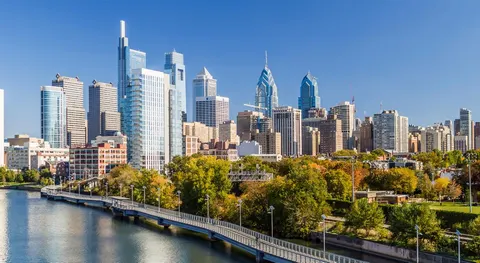
Philadelphia
60%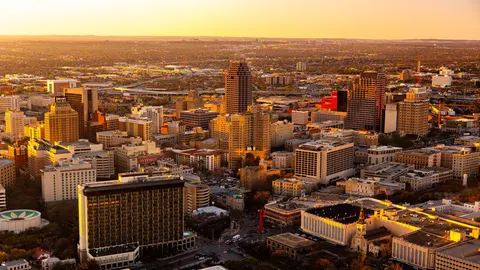
San Antonio
56%
Dallas
60%
Austin
58%
Indianapolis
57%
San Francisco
74%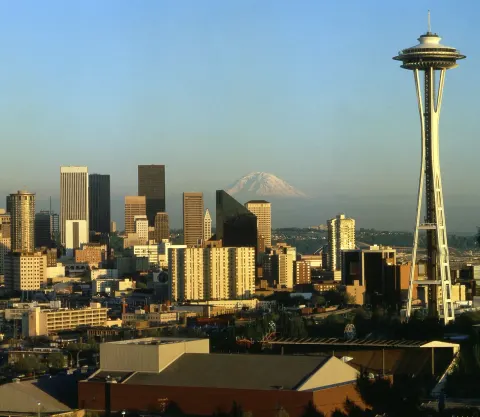
Seattle
64%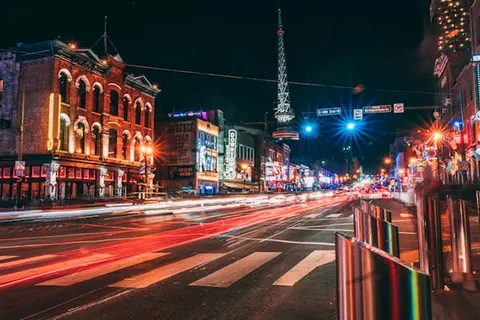
Nashville
58%
Denver
68%
Washington
64%
Las Vegas
59%
Kansas City
61%
Atlanta
55%
Miami
61%
Tampa
59%
New Orleans
54%
Honolulu
74%
Orlando
61%
Pittsburgh
58%
Scottsdale
63%
Tacoma
61%
Fayetteville
50%
Salt Lake City
66%
Athens
45%
Davenport
61%
Santa Fe
61%
Miami Beach
61%
Daytona Beach
53%
Idaho Falls
53%
Galveston
43%
Venice
75%
South Lake Tahoe
46%
Durango
49%
Panama City Beach
55%
Santa Rosa Beach
53%
Lahaina
64%
Little River
51%
Alamosa
52%Kill Devil Hills
51%Dripping Springs
58%
Carterville
55%
Big Bear Lake
36%
Rockaway Beach
54%
The Sea Ranch
53%
Springville
48%
Anna Maria
61%Calculate your earnings potential in San Diego
Discover how much more you could earn by optimizing your listings with ListingOK
Your listings
How do we achieve these results?
AI Dynamic Pricing
Occupancy Optimization
Market Analysis
24/7 Expert Support
In line with our best results!
Get your full report
Detailed analysis and personalized recommendations
* Calculations based on 30 days/month. Actual results may vary depending on market, season, property type, and implemented strategy.
Suggest a new city in United States
Frequently asked questions about Airbnb occupancy in San Diego
Across ListingOK's June 2025 to May 2026 analysis period, San Diego averaged 64% occupancy, equal to about 232 booked nights a year. That runs a few points above the roughly 60% average for US cities we track. Combined with a high nightly rate, it makes San Diego a strong, year-round market rather than a purely seasonal one.
Summer is the clear peak, with July and June the strongest months and a major spike during San Diego Comic-Con (23-26 July 2026), when downtown rates soar. January and February are the softest, though the mild winter keeps the dip shallow. Push rates and minimum stays hard in summer and around conventions.
Yes. San Diego's STRO ordinance requires a Short-Term Residential Occupancy licence, a Transient Occupancy Tax certificate, and payment of TOT on bookings. Four tiers apply depending on how often you rent and whether the home is your primary residence. Whole-home licences are capped, so confirm availability before buying to operate.
Pacific Beach and Mission Beach are the classic boardwalk markets, La Jolla commands the highest rates, and Coronado suits family resort stays. Downtown's Gaslamp Quarter and Little Italy capture nightlife and convention demand. Beach-walkable and downtown listings earn the strongest premiums; inland areas trade lower rates for easier licensing.