
Airbnb Occupancy Rate in Denver, United States, Data & Trends 2026
Curious about the performance of short-term rentals in Denver, United States? Over the last year, the average occupancy rate was 68% with an average nightly price (ADR) of 146€. Hosts earned on average 2789€ per month.

📩 Send me this report and get it in my inbox every month
90-day occupancy forecast for Denver so you can update rates and stay ahead of competitors.
Market summary in Denver
Key metrics to optimize your pricing strategy
Avg. monthly earnings
2789€
$2538 USD
YoY Revenue Change
-4%
vs. previous year
Occupancy Rate
68%
~20 days/month
Average Daily Rate
146€
$133 USD
Seasonality Index
78%
demand variation
Best Months
July, June
peak season
Worst Months
February, January
low season
Revenue Management in Denver
Our AI-powered platform automatically optimizes your rates. Maximize your revenue with intelligent dynamic pricing.
What Denver's occupancy and nightly prices actually mean
Over the analysis period 2025-06 to 2026-05, Denver averaged 68% occupancy with an ADR of $131 (about 144 euros) and roughly $2,504 (around 2,754 euros) in average monthly revenue. That 68% runs nearly 8 points above the U.S. city average of about 60% in our dataset, ranking Denver 6th of 39 U.S. cities for occupancy, even though its ADR sits below the national city average (around 202 euros) - this is a high-occupancy, mid-rate market that earns through consistent fill rather than premium nightly pricing.
The seasonality index is high at 70%, confirming the wide summer-to-winter swing, and listings were occupied roughly 245 nights of the year. Revenue was down 8% year over year, in line with the softening seen across many U.S. markets as supply has grown, so operators should lean on dynamic pricing around the summer and October event peaks to protect yield.
Monthly Airbnb occupancy in Denver
Average occupancy rate by month in Denver, compared with the same month a year earlier.
| Month | Occupancy | Prior year |
|---|---|---|
| Oct 2025 | 70.5% | 70.9% |
| Nov 2025 | 63.4% | 62.7% |
| Dec 2025 | 62.8% | 61.5% |
| Jan 2026 | 62.3% | 61% |
| Feb 2026 | 66.4% | 70.2% |
| Mar 2026 | 72% | 67% |
| Apr 2026 | 69.2% | 70.8% |
| May 2026 | 75.5% | 74% |
| Jun 2026 | 80% | 82.4% |
| Jul 2026 | 79.6% | 81.2% |
| Aug 2026 | 74% | 73.3% |
Historical Airbnb occupancy in Denver (last 12 months)
📌 Historical trends reveal seasonal highs – plan accordingly.
Airbnb occupancy forecast in Denver (next 90 days)
These figures reflect real-time demand in Denver, helping you plan and price strategically.
Why people book Airbnbs in Denver
Denver's Airbnb demand is built on its role as the gateway to the Rocky Mountains and a year-round events hub. Summer visitors come for the Red Rocks Amphitheatre concert season, the city's brewery scene and outdoor recreation, while winter brings skiers who use Denver as a one- or two-night stopover before or after driving to Vail, Breckenridge and the I-70 resorts. The city's altitude (the "Mile High" elevation) and 300-plus days of sun keep it on national bucket lists.
Beyond leisure, Denver pulls steady mid-week business and convention traffic through the Colorado Convention Center, plus relocation and corporate-housing demand from the tech, aerospace and energy firms that have expanded along the Front Range. That mix of weekend event-driven peaks and weekday business stays is why occupancy here holds up better than in purely seasonal leisure markets.
When Airbnb demand peaks in Denver
Denver is a strongly seasonal market: the best months are July and June, and the weakest are February and January. Summer is the engine. The Red Rocks concert calendar runs heavy from late spring through early autumn, Denver PrideFest fills the last weekend of June (June 28, 2026), and the festival season broadly spans May to September.
A distinct second spike lands in October around the Great American Beer Festival (October 10-11, 2026), which draws tens of thousands of out-of-town beer tourists and tightens supply downtown. The deep low is mid-winter: after the holidays, January and February are quiet for in-town stays, though proximity to ski country gives Denver more winter floor than most non-coastal U.S. cities.
Best neighbourhoods for short-term rentals in Denver
LoDo (Lower Downtown) and the adjacent Union Station area are the prime short-term-rental zones: walkable, full of restaurants, rooftop bars and Coors Field, and closest to the convention center, which supports the highest nightly rates and the steadiest business demand. RiNo (River North Art District), just north, is the trend-driven choice, where converted warehouses now hold breweries, galleries and music venues, attracting a younger leisure crowd.
Capitol Hill offers cheaper, denser apartment stock with a bohemian feel and walkability to downtown, popular with budget and longer-stay guests. Cherry Creek, to the east, skews upscale and quieter, anchored by high-end shopping and dining, and works for affluent travellers and corporate stays. Note that under Denver's primary-residence rule, listings cluster in owner-occupied homes rather than dedicated investment units across all of these areas.
Short-term rental rules in Denver
Denver allows short-term rentals only in the host's primary residence - the home where they actually live and usually return. Each operator can hold just one active STR licence because they can only have one primary residence, so the city effectively bans dedicated, vacant investment Airbnbs and second-home or vacation-cabin listings.
A licence is mandatory and renews annually. Applicants submit proof of ownership or a lease, a government-issued ID and an affidavit of primary residence; expect an application fee of up to about $150 and a roughly $100 annual renewal. Hosts must also collect and remit the applicable lodging taxes. Confirm current fees and requirements with Denver's Excise and Licenses department before listing, as terms are periodically updated.
Tools & strategies for Denver
Revenue Management in Denver
We help you increase revenue in Denver with pricing algorithms and active monitoring.
Learn moreDynamic Pricing in Denver
Our engine auto-adjusts prices based on demand and local events in Denver.
Learn moreChannel Manager in Denver
Manage listings on Airbnb, Booking.com and Vrbo in one place across Denver.
Learn moreCheck your Airbnb in United States
And around the world
Other cities in United States
Compare performance across markets – occupancy, nightly prices and seasonality for other destinations in United States.
New York
76%
Los Angeles
75%
Chicago
64%
Houston
56%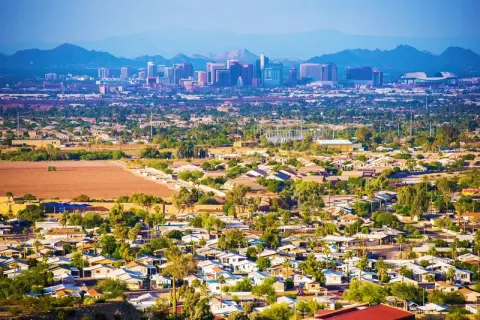
Phoenix
63%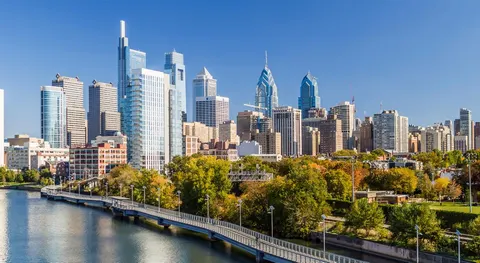
Philadelphia
60%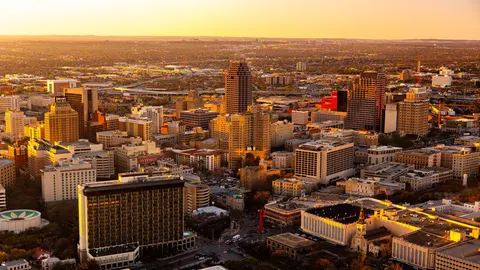
San Antonio
56%
San Diego
65%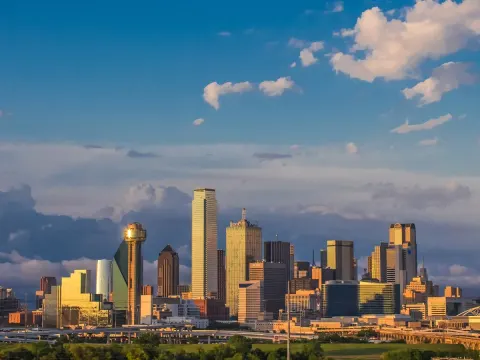
Dallas
60%
Austin
58%
Indianapolis
57%
San Francisco
74%
Seattle
64%
Nashville
58%
Washington
64%
Las Vegas
59%
Kansas City
61%
Atlanta
55%
Miami
61%
Tampa
59%
New Orleans
54%
Honolulu
74%
Orlando
61%
Pittsburgh
58%
Scottsdale
63%
Tacoma
61%
Fayetteville
50%
Salt Lake City
66%
Athens
45%
Davenport
61%
Santa Fe
61%
Miami Beach
61%
Daytona Beach
53%
Idaho Falls
53%
Galveston
43%
Venice
75%
South Lake Tahoe
46%
Durango
49%
Panama City Beach
55%
Santa Rosa Beach
53%
Lahaina
64%
Little River
51%
Alamosa
52%Kill Devil Hills
51%Dripping Springs
58%
Carterville
55%
Big Bear Lake
36%
Rockaway Beach
54%
The Sea Ranch
53%
Springville
48%
Anna Maria
61%Calculate your earnings potential in Denver
Discover how much more you could earn by optimizing your listings with ListingOK
Your listings
How do we achieve these results?
AI Dynamic Pricing
Occupancy Optimization
Market Analysis
24/7 Expert Support
In line with our best results!
Get your full report
Detailed analysis and personalized recommendations
* Calculations based on 30 days/month. Actual results may vary depending on market, season, property type, and implemented strategy.
Suggest a new city in United States
Frequently asked questions about Airbnb occupancy in Denver
Denver averaged about 68% occupancy over the 2025-06 to 2026-05 period, which is close to 8 points above the roughly 60% average across U.S. cities in our dataset and ranks it 6th of 39. Listings were booked around 245 nights of the year, reflecting strong and fairly consistent demand for a non-coastal market.
Summer is peak, with July and June the strongest months thanks to Red Rocks concerts, PrideFest (June 28, 2026) and the May-to-September festival season. A second spike comes in October around the Great American Beer Festival (October 10-11, 2026). January and February are the slowest, so use dynamic pricing to capture event-driven peaks.
Yes. Denver requires a short-term-rental licence, and rentals are only legal in your primary residence - the home you actually live in. You can hold only one licence. Expect an application fee up to about $150 and roughly $100 to renew annually, plus an affidavit of primary residence and proof of ownership or lease, and you must remit lodging taxes.
LoDo and the Union Station area command the highest rates and steadiest business demand, given walkability and proximity to the convention center. RiNo suits trend-driven leisure guests, Capitol Hill offers affordable, walkable stays, and Cherry Creek targets upscale and corporate travellers. Because of the primary-residence rule, all listings must be in owner-occupied homes.