
Airbnb Occupancy Rate in Salt Lake City, United States, Data & Trends 2026
Curious about the performance of short-term rentals in Salt Lake City, United States? Over the last year, the average occupancy rate was 66% with an average nightly price (ADR) of 140€. Hosts earned on average 2558€ per month.

📩 Send me this report and get it in my inbox every month
90-day occupancy forecast for Salt Lake City so you can update rates and stay ahead of competitors.
Market summary in Salt Lake City
Key metrics to optimize your pricing strategy
Avg. monthly earnings
2558€
$2328 USD
YoY Revenue Change
-6%
vs. previous year
Occupancy Rate
66%
~20 days/month
Average Daily Rate
140€
$127 USD
Seasonality Index
76%
demand variation
Best Months
March, February
peak season
Worst Months
November, April
low season
Revenue Management in Salt Lake City
Our AI-powered platform automatically optimizes your rates. Maximize your revenue with intelligent dynamic pricing.
What Salt Lake City's occupancy and nightly prices actually mean
Over the analysis window, Salt Lake City ran 65% average occupancy across about 235 booked nights a year, nine points above the 56% U.S. national average in ListingOK's sample and among the stronger performers of the 42 American cities tracked. Its 126 dollar average daily rate is moderate, but the high night count lifts average monthly revenue to about 2,303 dollars per listing, so the city's edge is consistency of occupancy rather than premium nightly pricing.
A 9% year-on-year revenue decline tempers that picture, suggesting rates or fill softened against the prior year even as occupancy stayed healthy, and the 76% seasonality index confirms demand is well spread rather than concentrated. With just 100 active listings in the sample, supply is tight, which helps protect occupancy, and the combination points to a resilient, multi-season market where the binding limit is regulatory eligibility rather than demand.
Monthly Airbnb occupancy in Salt Lake City
Average occupancy rate by month in Salt Lake City, compared with the same month a year earlier.
| Month | Occupancy | Prior year |
|---|---|---|
| Oct 2025 | 66.3% | 64.2% |
| Nov 2025 | 54.8% | 59.5% |
| Dec 2025 | 61.2% | 64.7% |
| Jan 2026 | 65.1% | 70.8% |
| Feb 2026 | 77.6% | 79.9% |
| Mar 2026 | 73.9% | 76.8% |
| Apr 2026 | 66.1% | 65% |
| May 2026 | 69.7% | 69.8% |
| Jun 2026 | 71.8% | 72.1% |
| Jul 2026 | 72.8% | 71.3% |
| Aug 2026 | 68.4% | 68.7% |
Historical Airbnb occupancy in Salt Lake City (last 12 months)
📌 Historical trends reveal seasonal highs – plan accordingly.
Airbnb occupancy forecast in Salt Lake City (next 90 days)
These figures reflect real-time demand in Salt Lake City, helping you plan and price strategically.
Why people book Airbnbs in Salt Lake City
Salt Lake City's short-term rental demand rests on an unusual combination of winter sport, faith tourism and a busy convention calendar. The city is the gateway to some of North America's best skiing, with Snowbird, Alta, Park City, Deer Valley, Solitude and Brighton all within roughly an hour, and it hosted the 2002 Winter Olympics and is slated to host the 2034 Games. Downtown, Temple Square draws year-round visitors as the headquarters of the Church of Jesus Christ of Latter-day Saints, while the Salt Palace Convention Center and the new West Quarter entertainment district feed steady business and event travel.
That mix gives the city a deeper, less weather-dependent demand base than a pure ski town. Skiers, conference delegates, religious-conference attendees and outdoor travellers using the city as a basecamp for the Wasatch canyons and the national parks beyond all overlap, so a well-located unit can draw bookings across multiple traveller types rather than relying on a single season.
When Airbnb demand peaks in Salt Lake City
Salt Lake City is comparatively balanced for a mountain-adjacent market, with a 76% seasonality index, and its rhythm is the inverse of a summer-beach city. The strongest months are March and February, reaching 73.9% and 77.6% in early 2026 on the back of peak ski season and the run of winter conventions; the softest are November and April, the shoulder gaps when the slopes are between seasons, with November 2025 the low at 54.8%.
The two years of data show winter and high summer both holding up well, around 70-77% from June through August and again from January through March, with the dips confined to the spring and autumn transitions. For operators that means the year has two strong shoulders to defend rather than one long off-season, and pricing should lean into the February-March ski peak and the summer outdoor season while planning for softer April and November windows.
Best neighbourhoods for short-term rentals in Salt Lake City
Downtown and the adjacent Central City area are the core for short stays, since the city's zoning generally permits short-term rentals in its Downtown, Mixed-Use and Gateway zones but restricts them in residential ones. Proximity to Temple Square, the Salt Palace and the West Quarter district makes these blocks the safest and most convention-friendly to operate in.
The Gateway and the redeveloping west-of-downtown corridor suit event and business guests, while units with easy access to I-15 and Little and Big Cottonwood canyons appeal to skiers heading up to the resorts. Because the residential-zone restriction is the decisive constraint, the practical neighbourhood question here is zoning eligibility first and walkability or canyon access second.
Short-term rental rules in Salt Lake City
Salt Lake City is a strict market on paper. The city's zoning code classifies any let under 30 days as a short-term rental and generally prohibits them in residential zones, permitting them mainly in the Downtown, Mixed-Use and Gateway zones; hotels, motels and similar lodging are the permitted forms elsewhere. The city has stated it does not issue business licences for short-term rentals where no enabling ordinance applies, and it enforces actively, having invested in data tools to detect illegal listings.
In practice that makes location the gating factor: a unit in an eligible commercial or mixed-use zone can be operated with the appropriate city business licence and Utah state tax registration, while a residential-zone unit generally cannot be legally let short-term. Because enforcement is aggressive and the rules turn on precise zoning, operators should verify a property's zoning designation and current licensing requirements with Salt Lake City before buying or listing.
Tools & strategies for Salt Lake City
Revenue Management in Salt Lake City
We help you increase revenue in Salt Lake City with pricing algorithms and active monitoring.
Learn moreDynamic Pricing in Salt Lake City
Our engine auto-adjusts prices based on demand and local events in Salt Lake City.
Learn moreChannel Manager in Salt Lake City
Manage listings on Airbnb, Booking.com and Vrbo in one place across Salt Lake City.
Learn moreCheck your Airbnb in United States
And around the world
Other cities in United States
Compare performance across markets – occupancy, nightly prices and seasonality for other destinations in United States.
New York
76%
Los Angeles
75%
Chicago
64%
Houston
56%
Phoenix
63%
Philadelphia
60%
San Antonio
56%
San Diego
65%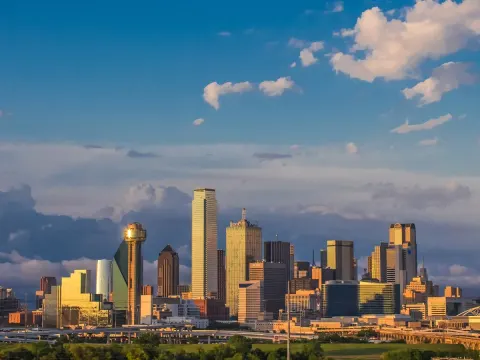
Dallas
60%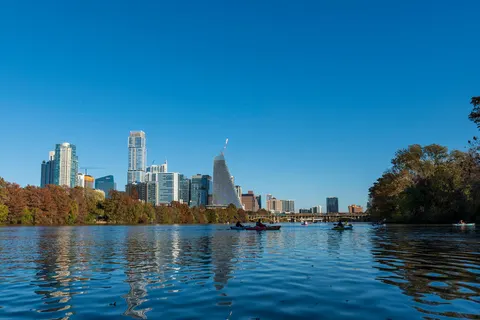
Austin
58%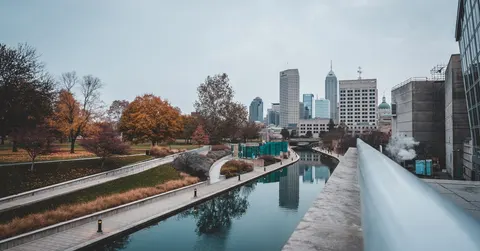
Indianapolis
57%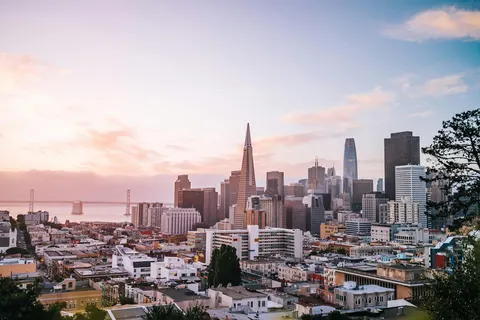
San Francisco
74%
Seattle
64%
Nashville
58%
Denver
68%
Washington
64%
Las Vegas
59%
Kansas City
61%
Atlanta
55%
Miami
61%
Tampa
59%
New Orleans
54%
Honolulu
74%
Orlando
61%
Pittsburgh
58%
Scottsdale
63%
Tacoma
61%
Fayetteville
50%
Athens
45%
Davenport
61%
Santa Fe
61%
Miami Beach
61%
Daytona Beach
53%
Idaho Falls
53%
Galveston
43%
Venice
75%
South Lake Tahoe
46%
Durango
49%
Panama City Beach
55%
Santa Rosa Beach
53%
Lahaina
64%
Little River
51%
Alamosa
52%Kill Devil Hills
51%Dripping Springs
58%
Carterville
55%
Big Bear Lake
36%
Rockaway Beach
54%
The Sea Ranch
53%
Springville
48%
Anna Maria
61%Calculate your earnings potential in Salt Lake City
Discover how much more you could earn by optimizing your listings with ListingOK
Your listings
How do we achieve these results?
AI Dynamic Pricing
Occupancy Optimization
Market Analysis
24/7 Expert Support
In line with our best results!
Get your full report
Detailed analysis and personalized recommendations
* Calculations based on 30 days/month. Actual results may vary depending on market, season, property type, and implemented strategy.
Suggest a new city in United States
Frequently asked questions about Airbnb occupancy in Salt Lake City
Salt Lake City averaged about 65% occupancy over the analysis period, roughly 235 booked nights a year. That is nine points above the 56% U.S. national average in ListingOK's sample and among the stronger of the 42 American cities tracked, reflecting a balanced demand base spanning ski season, conventions and faith tourism rather than a single peak.
March and February are the strongest months, near 74-78% in early 2026 thanks to peak ski season and winter conventions, while November and April are the softest shoulder gaps, with November 2025 around 55%. Both winter and high summer hold up well, so lean pricing into the February-March ski peak and the summer outdoor season.
Yes, and location is decisive. The city generally bans short-term rentals in residential zones and permits them mainly in Downtown, Mixed-Use and Gateway zones, requiring the appropriate city business licence and Utah state tax registration. Enforcement is aggressive, so verify a property's zoning designation and current licensing rules with Salt Lake City before buying or listing.
Downtown and Central City are the core, since short-term rentals are generally allowed in Downtown, Mixed-Use and Gateway zones but not residential ones, and these blocks sit near Temple Square, the Salt Palace and the West Quarter district. Gateway suits business and event guests; units near I-15 and the Cottonwood canyons draw skiers. Zoning eligibility matters first.