
Airbnb Occupancy Rate in Durango, United States, Data & Trends 2026
Curious about the performance of short-term rentals in Durango, United States? Over the last year, the average occupancy rate was 49% with an average nightly price (ADR) of 257€. Hosts earned on average 3348€ per month.

📩 Send me this report and get it in my inbox every month
90-day occupancy forecast for Durango so you can update rates and stay ahead of competitors.
Market summary in Durango
Key metrics to optimize your pricing strategy
Avg. monthly earnings
3348€
$3047 USD
YoY Revenue Change
-7%
vs. previous year
Occupancy Rate
49%
~15 days/month
Average Daily Rate
257€
$234 USD
Seasonality Index
112%
demand variation
Best Months
July, June
peak season
Worst Months
April, November
low season
Revenue Management in Durango
Our AI-powered platform automatically optimizes your rates. Maximize your revenue with intelligent dynamic pricing.
What Durango's occupancy and nightly prices actually mean
Over the analysis window, Durango averaged 50% occupancy across roughly 178 booked nights a year, six points below the 56% United States national average and reflecting a market that fills strongly in summer but empties in the shoulders. Where Durango stands out is rate: a 255 euro (about 232 dollar) average daily rate is high for a town this size, driven by resort-town scarcity and affluent outdoor travellers, producing average monthly revenue of about 3,397 euros (3,088 dollars) per listing despite the modest occupancy.
The 113% seasonality index is the defining figure, far above an evenly spread market, and tells operators that almost all profit is earned in a few peak months. Revenue slipped 8% year on year, a softer reading than the strong rate suggests and a signal that pricing power is plateauing. Read together, Durango is a high-ADR, high-volatility market where summer execution and shoulder-season discipline determine the annual result more than headline occupancy.
Monthly Airbnb occupancy in Durango
Average occupancy rate by month in Durango, compared with the same month a year earlier.
| Month | Occupancy | Prior year |
|---|---|---|
| Oct 2025 | 46.2% | 45.6% |
| Nov 2025 | 35.2% | 37.4% |
| Dec 2025 | 57.1% | 54.4% |
| Jan 2026 | 41.3% | 46.5% |
| Feb 2026 | 54.2% | 57.8% |
| Mar 2026 | 46.6% | 55.1% |
| Apr 2026 | 27.6% | 25.1% |
| May 2026 | 53.2% | 54.6% |
| Jun 2026 | 66.1% | 65.7% |
| Jul 2026 | 70.8% | 71.2% |
| Aug 2026 | 52.4% | 58% |
Historical Airbnb occupancy in Durango (last 12 months)
📌 Historical trends reveal seasonal highs – plan accordingly.
Airbnb occupancy forecast in Durango (next 90 days)
These figures reflect real-time demand in Durango, helping you plan and price strategically.
Why people book Airbnbs in Durango
Durango is a Rocky Mountain resort town in southwest Colorado, and its short-term rental demand is built almost entirely on outdoor tourism rather than business travel. The headline draw is the Durango & Silverton Narrow Gauge Railroad, the historic steam train that climbs into the San Juan Mountains, but the wider engine is year-round adventure: rafting and fly-fishing on the Animas River, mountain biking and hiking out of the Animas Valley, and a gateway position for Mesa Verde National Park day trips. Travellers here are overwhelmingly leisure visitors, families and outdoor enthusiasts staying multiple nights.
Winter adds a second pillar through Purgatory Resort, roughly 25 miles north, which pulls ski and snowboard traffic from late autumn into spring. The result is a small but resilient market of about 105 active listings serving a town of under 20,000 residents, where demand is shaped far more by season and weather than by any single event, and where operators compete on a finite housing base in a community sensitive to long-term affordability.
When Airbnb demand peaks in Durango
Durango's demand is sharply seasonal, and the packet's 113% seasonality index confirms a market that swings hard between peak and trough. The strongest months are July and August, when summer railroad season, river sports and warm-weather hiking converge: July 2025 ran 73.5% occupancy and the prior July touched 76.1%, the high-water marks of the series. Demand stays respectable through June and into early autumn before fading as the high country cools.
The weakest months are April and November, the classic shoulder gaps between ski season and summer. April is the steepest dip in the data, falling to 25.6% in 2025 and 27.9% in 2026 as the slopes close but the railroad and river season have not yet opened; November sags to the mid-30s once autumn colour fades and before reliable snow arrives. A modest December rebound into the high 50s reflects the early ski and holiday window, so operators should plan aggressive shoulder-season pricing and lean on the summer peak.
Best neighbourhoods for short-term rentals in Durango
Downtown Durango along Main Avenue is the highest-converting area for short-term rentals: it sits steps from the railroad depot, the restaurants and breweries of the historic district, and the Animas River Trail, so walkable in-town units command the strongest rates and the steadiest bookings. The catch is that the city's residential zones near the centre carry the tightest permit scrutiny.
The Animas Valley and the corridor north along Highway 550 appeal to guests who want river access, mountain views and an easy drive toward Purgatory Resort, making them a natural fit for ski-season and summer-adventure stays. East Animas and the neighbourhoods around Fort Lewis College draw value-seeking and longer-stay guests slightly off the tourist core. Across all of them, what matters most is whether a property can legally hold a vacation-rental permit, since availability is capped in much of the residential map.
Short-term rental rules in Durango
Durango regulates short-term rentals at the city level and treats them as a distinct, permitted land use rather than an unrestricted activity. Operating a vacation rental of one to 29 days generally requires a city permit before a property may be advertised or let, and the city ties eligibility to zoning, so STRs are allowed only in certain zones and restricted or capped in much of the residential map, with additional conditions for non-owner-occupied units. Occupancy limits and on-site parking requirements typically apply.
Operators must also register for and remit the city's lodgers tax alongside Colorado state and county sales and lodging taxes. Because Durango has actively tightened its rules to protect long-term housing and the number of available permits in some zones is limited, anyone buying or onboarding a unit should confirm current eligibility and permit availability directly with the City of Durango before committing, as specifics and caps change.
Tools & strategies for Durango
Revenue Management in Durango
We help you increase revenue in Durango with pricing algorithms and active monitoring.
Learn moreDynamic Pricing in Durango
Our engine auto-adjusts prices based on demand and local events in Durango.
Learn moreChannel Manager in Durango
Manage listings on Airbnb, Booking.com and Vrbo in one place across Durango.
Learn moreCheck your Airbnb in United States
And around the world
Other cities in United States
Compare performance across markets – occupancy, nightly prices and seasonality for other destinations in United States.

New York
76%
Los Angeles
75%
Chicago
64%
Houston
56%
Phoenix
63%
Philadelphia
60%
San Antonio
56%
San Diego
65%
Dallas
60%
Austin
58%
Indianapolis
57%
San Francisco
74%
Seattle
64%
Nashville
58%
Denver
68%
Washington
64%
Las Vegas
59%
Kansas City
61%
Atlanta
55%
Miami
61%
Tampa
59%
New Orleans
54%
Honolulu
74%
Orlando
61%
Pittsburgh
58%
Scottsdale
63%
Tacoma
61%
Fayetteville
50%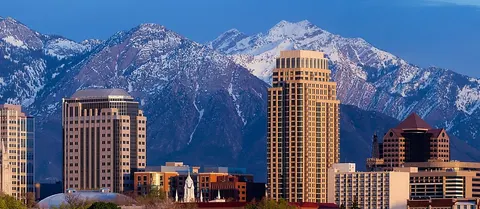
Salt Lake City
66%
Athens
45%
Davenport
61%
Santa Fe
61%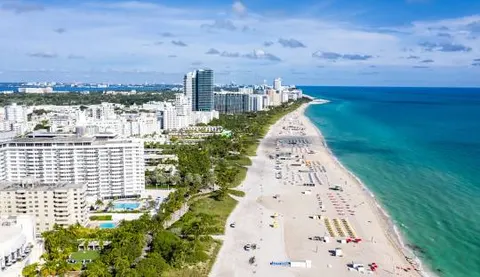
Miami Beach
61%
Daytona Beach
53%
Idaho Falls
53%
Galveston
43%
Venice
75%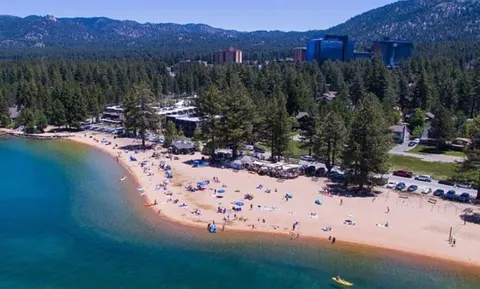
South Lake Tahoe
46%
Panama City Beach
55%
Santa Rosa Beach
53%
Lahaina
64%
Little River
51%
Alamosa
52%Kill Devil Hills
51%Dripping Springs
58%
Carterville
55%
Big Bear Lake
36%
Rockaway Beach
54%
The Sea Ranch
53%
Springville
48%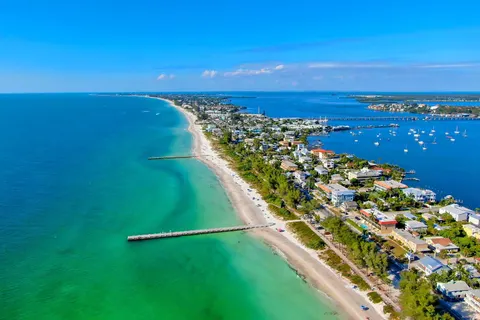
Anna Maria
61%Calculate your earnings potential in Durango
Discover how much more you could earn by optimizing your listings with ListingOK
Your listings
How do we achieve these results?
AI Dynamic Pricing
Occupancy Optimization
Market Analysis
24/7 Expert Support
In line with our best results!
Get your full report
Detailed analysis and personalized recommendations
* Calculations based on 30 days/month. Actual results may vary depending on market, season, property type, and implemented strategy.
Suggest a new city in United States
Frequently asked questions about Airbnb occupancy in Durango
Durango averaged about 50% occupancy over the analysis period, roughly 178 booked nights a year. That is six points below the 56% United States national average, reflecting a market that fills strongly in summer and around ski season but empties sharply in the April and November shoulders rather than holding steady year-round.
July and August are by far the strongest months, driven by the Durango & Silverton railroad, river sports and summer hiking; July occupancy reached the low-to-mid 70s. April and November are the weakest, with April dipping near 26% between ski and summer seasons. A modest December rebound reflects the early ski and holiday window, so price aggressively for the summer peak.
Yes. Durango requires a city vacation-rental permit before you advertise or let a unit, and eligibility depends on zoning, with STRs capped or restricted in much of the residential map and extra rules for non-owner-occupied properties. You must also collect the city lodgers tax. Confirm current permit availability with the City of Durango before buying, since caps change.
Downtown along Main Avenue converts best, walkable to the railroad depot, restaurants and the Animas River Trail, though it faces the tightest permit scrutiny. The Animas Valley and the Highway 550 corridor north suit river-view and ski-season stays toward Purgatory Resort, while East Animas and the Fort Lewis College area draw value and longer-stay guests. Permit eligibility matters more than location.