
Airbnb Occupancy Rate in Kill Devil Hills, United States, Data & Trends 2026
Curious about the performance of short-term rentals in Kill Devil Hills, United States? Over the last year, the average occupancy rate was 52% with an average nightly price (ADR) of 298€. Hosts earned on average 4127€ per month.

📩 Send me this report and get it in my inbox every month
90-day occupancy forecast for Kill Devil Hills so you can update rates and stay ahead of competitors.
Market summary in Kill Devil Hills
Key metrics to optimize your pricing strategy
Avg. monthly earnings
4127€
$3756 USD
YoY Revenue Change
-5%
vs. previous year
Occupancy Rate
52%
~16 days/month
Average Daily Rate
298€
$271 USD
Seasonality Index
190%
demand variation
Best Months
July, June
peak season
Worst Months
January, February
low season
Revenue Management in Kill Devil Hills
Our AI-powered platform automatically optimizes your rates. Maximize your revenue with intelligent dynamic pricing.
What Kill Devil Hills's occupancy and nightly prices actually mean
The three headline figures — 52% occupancy, €312 ADR and €4,474 average monthly revenue — need to be read together and against the calendar. The occupancy number is an annual average dragged down by a near-empty winter; a well-run home will run close to full from mid-June to mid-August and far below 52% in January. The €312 ADR is likewise a blend of expensive peak weeks and discounted shoulder nights, so benchmark your summer pricing against summer comparables, not the annual average.
Roughly 187 occupied nights a year means each night carries real weight: at this ADR, ten lost peak nights are a material share of annual revenue. The -14% year-over-year revenue decline is the number to respect most. It does not mean the market is broken — it means the post-2021 pricing anchor is gone. Owners still holding peak-era rates are the ones losing weeks; those repricing shoulders aggressively while protecting July and August rate are holding revenue far better. Judge a property here on its summer-week sell-through and its shoulder-season pickup, not on any single month's occupancy print.
Monthly Airbnb occupancy in Kill Devil Hills
Average occupancy rate by month in Kill Devil Hills, compared with the same month a year earlier.
| Month | Occupancy | Prior year |
|---|---|---|
| Oct 2025 | 43.7% | 47.7% |
| Nov 2025 | 37.6% | 36.4% |
| Dec 2025 | 29.6% | 32.8% |
| Jan 2026 | 28.3% | 29.4% |
| Feb 2026 | 37.7% | 40.8% |
| Mar 2026 | 53.1% | 51.1% |
| Apr 2026 | 53.4% | 59.1% |
| May 2026 | 61.5% | 61.5% |
| Jun 2026 | 80.2% | 81.2% |
| Jul 2026 | 84.6% | 87.1% |
| Aug 2026 | 73.9% | 76.9% |
| Sep 2026 | 59.4% | 52.9% |
Historical Airbnb occupancy in Kill Devil Hills (last 12 months)
📌 Historical trends reveal seasonal highs – plan accordingly.
Airbnb occupancy forecast in Kill Devil Hills (next 90 days)
These figures reflect real-time demand in Kill Devil Hills, helping you plan and price strategically.
Why people book Airbnbs in Kill Devil Hills
Kill Devil Hills is the commercial hub of North Carolina's Outer Banks, a barrier-island strip that draws families from Virginia, Washington DC, Maryland and the Carolinas for the classic drive-to beach week. The town is also where the Wright brothers flew the first powered aircraft in 1903, and the memorial brings a modest year-round trickle of sightseeing traffic, but the market lives on summer beach demand. The booking pattern is distinctive: much of the inventory still trades in Saturday-to-Saturday weekly blocks, sold months in advance, with large multi-bedroom homes hosting extended families and groups splitting one bill.
Across the period we analyzed (July 2025 to June 2026), listings averaged 52% occupancy at a €312 average daily rate (ADR), producing about €4,474 in monthly revenue on roughly 187 occupied nights a year. Revenue fell 14% year over year, reflecting supply that kept growing after the pandemic boom while demand normalized. This is a high-rate, compressed-calendar market: the homes are big, the weeks are expensive, and the winter is very quiet.
When Airbnb demand peaks in Kill Devil Hills
With a seasonality index of 236 — more than twice the average variability across the markets we track — Kill Devil Hills is one of the most seasonal short-term-rental markets in the United States. July and August are the strongest months by a wide margin; January and February are the weakest, when many homes sit empty or close entirely.
In practice the revenue year is decided in about ten to twelve weeks. Prime summer Saturday-to-Saturday weeks sell out far in advance, and filling or missing two peak weeks can swing a property's annual result more than an entire winter of bookings. June and September behave as genuine shoulder months — softer rates, shorter stays, more couples and remote workers than families — and the fall fishing and event calendar gives October some life. From November through March, realistic expectations matter: deep discounts rarely conjure demand that is not there, so many owners hold rate, accept low occupancy and use the period for maintenance. A pricing strategy here is mostly a summer strategy: get the peak weeks right first, then work the shoulders.
Best neighbourhoods for short-term rentals in Kill Devil Hills
Rental inventory in Kill Devil Hills is organized by the Outer Banks milepost system and, more importantly, by distance to sand. Oceanfront homes east of Virginia Dare Trail (the Beach Road) command the highest weekly rates and the earliest bookings. The dense band of cottages 'between the highways' — between the Beach Road and the US 158 bypass — is the volume sweet spot, a short walk from numerous public beach accesses at lower price points. West of the bypass, the westside and soundside streets around Bay Drive trade ocean proximity for sunset views over Kitty Hawk Bay, calmer water for children and noticeably lower entry prices.
The Avalon Pier area and the blocks near the Wright Brothers National Memorial concentrate restaurants, shops and the town's modest nightlife, suiting guests who want a walkable stay. Adjacent Colington Harbour, technically outside town limits, feeds similar demand with canal-front homes. Across all of it the product skews large: multi-bedroom houses with pools, hot tubs and game rooms outperform, because the typical guest here is an extended family or multi-family group splitting one big weekly bill.
Short-term rental rules in Kill Devil Hills
Short-term rentals are established and broadly welcome in Kill Devil Hills, but they are regulated. The town operates a vacation-rental registration and permit scheme, with standards covering occupancy limits, parking, trash and noise, and it expects a local contact on file. North Carolina's Vacation Rental Act applies statewide and requires, among other provisions, a written rental agreement with guests.
On taxes, operators must register for North Carolina sales tax and open a Dare County occupancy tax account. Platforms may collect some taxes on your behalf, but registration and filing responsibility stays with the operator, so confirm exactly what Airbnb or Vrbo remit for your listing. Septic capacity can constrain legal occupancy in some homes, and insurance requirements run stricter than for a long-term rental.
Nothing here approaches the caps or bans seen in some coastal markets, but details — permit fees, inspection requirements, occupancy formulas — change with town budget cycles and council decisions. Rules change; verify the current requirements directly with the Town of Kill Devil Hills and Dare County before listing, and treat any third-party summary, including this one, as a starting point rather than the final word.
Tools & strategies for Kill Devil Hills
Revenue Management in Kill Devil Hills
We help you increase revenue in Kill Devil Hills with pricing algorithms and active monitoring.
Learn moreDynamic Pricing in Kill Devil Hills
Our engine auto-adjusts prices based on demand and local events in Kill Devil Hills.
Learn moreChannel Manager in Kill Devil Hills
Manage listings on Airbnb, Booking.com and Vrbo in one place across Kill Devil Hills.
Learn moreCheck your Airbnb in United States
And around the world
Other cities in United States
Compare performance across markets – occupancy, nightly prices and seasonality for other destinations in United States.
New York
76%
Los Angeles
75%
Chicago
65%
Houston
56%
Phoenix
63%
Philadelphia
60%
San Antonio
56%
San Diego
66%
Dallas
60%
Austin
58%
Indianapolis
57%
San Francisco
74%
Seattle
64%
Nashville
58%
Denver
68%
Washington
65%
Las Vegas
59%
Kansas City
61%
Atlanta
55%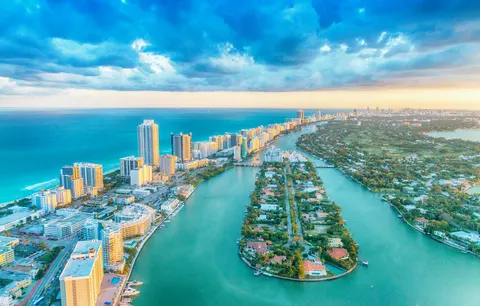
Miami
61%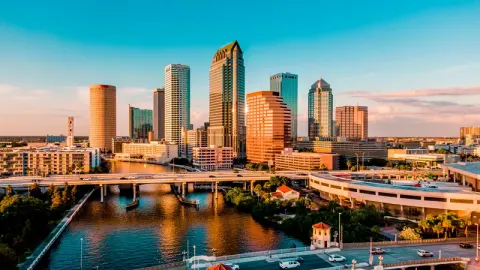
Tampa
60%
New Orleans
55%
Honolulu
74%
Orlando
61%
Pittsburgh
58%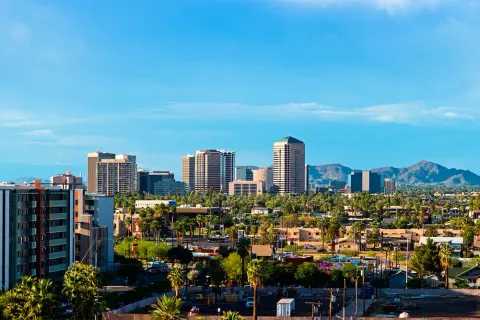
Scottsdale
63%
Tacoma
62%
Fayetteville
50%
Salt Lake City
66%
Athens
46%
Davenport
61%
Santa Fe
62%
Miami Beach
61%
Daytona Beach
54%
Idaho Falls
54%
Galveston
44%
Venice
75%
South Lake Tahoe
46%
Durango
49%
Panama City Beach
56%
Santa Rosa Beach
53%
Lahaina
64%
Little River
52%
Alamosa
53%Dripping Springs
58%
Carterville
55%
Big Bear Lake
37%
Rockaway Beach
54%
The Sea Ranch
53%
Springville
48%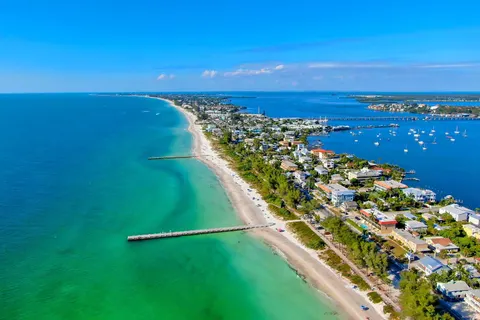
Anna Maria
61%Calculate your earnings potential in Kill Devil Hills
Discover how much more you could earn by optimizing your listings with ListingOK
Your listings
How do we achieve these results?
AI Dynamic Pricing
Occupancy Optimization
Market Analysis
24/7 Expert Support
In line with our best results!
Get your full report
Detailed analysis and personalized recommendations
* Calculations based on 30 days/month. Actual results may vary depending on market, season, property type, and implemented strategy.
Suggest a new city in United States
Frequently asked questions about Airbnb occupancy in Kill Devil Hills
Over July 2025 to June 2026 the market averaged 52% occupancy, a €312 average daily rate and about €4,474 in monthly revenue — roughly 187 occupied nights a year. Those are solid fundamentals for a well-bought property, but revenue fell 14% year over year, so underwrite on today's numbers rather than pandemic-era peaks.
The annual average is 52%, but it is extremely uneven: near-full from late June through August, very quiet in January and February. Judge a listing by its summer-week sell-through, not by any single month's figure.
July and August are the strongest by a wide margin; January and February are the weakest. With a seasonality index of 236 — among the highest we track — most of the year's revenue is earned in about ten summer weeks.
€312 is the market's blended annual average, mixing expensive Saturday-to-Saturday summer weeks with discounted shoulder nights. Benchmark against comparable homes in the same season and size bracket — a large oceanfront home should price well above it in July, while a small westside cottage in October will sit below it.
The town operates a vacation-rental registration and permit scheme, North Carolina's Vacation Rental Act requires a written rental agreement, and you must register for state sales tax and a Dare County occupancy tax account. Rules change — verify current requirements with the town before listing.
Supply kept growing after the pandemic boom while demand normalized, which pressured both rates and shoulder-season occupancy. Operators protecting peak-week pricing while repricing shoulder weeks aggressively are the ones holding revenue best.